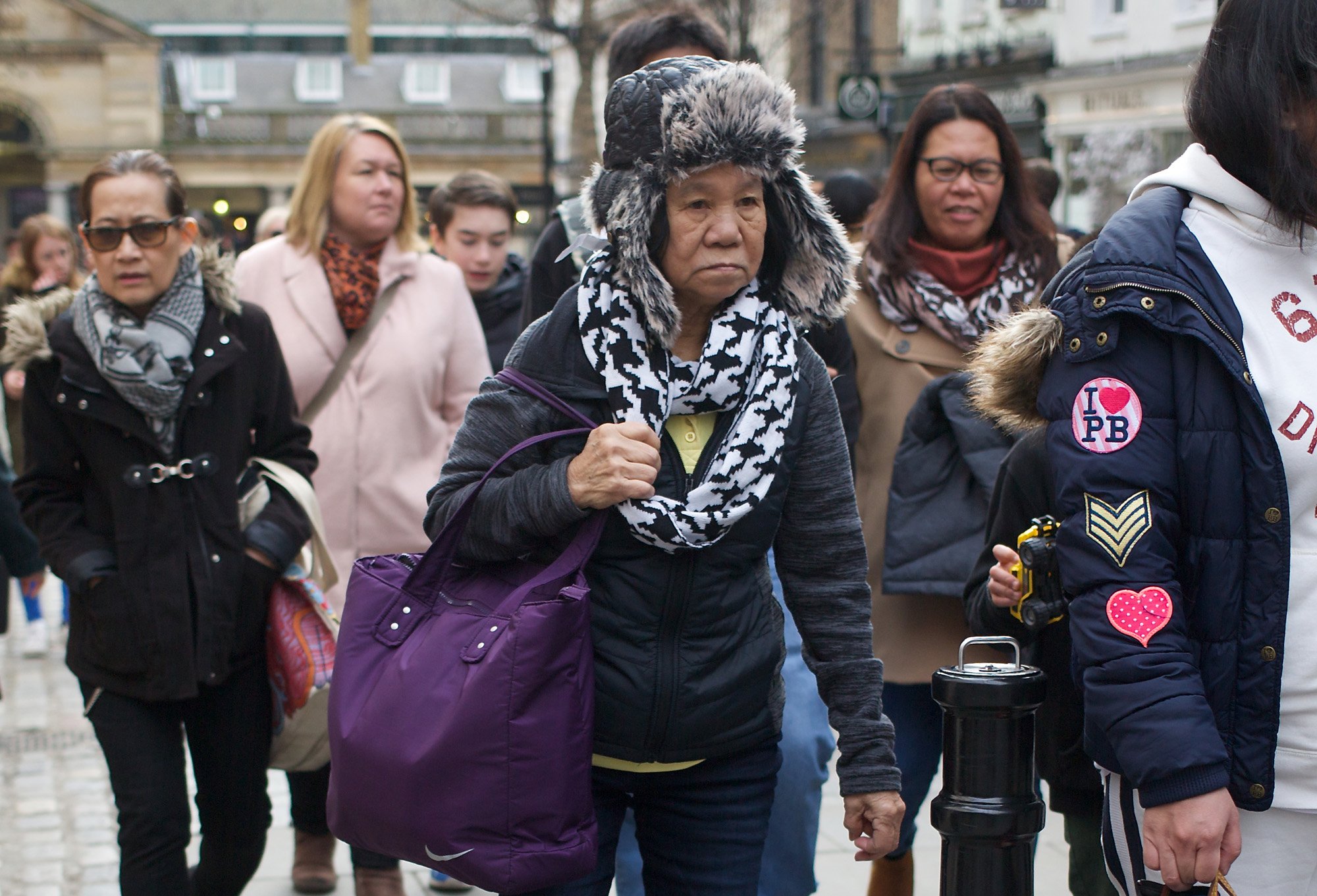
Using Reflections in Street Photography

When I’m out taking street photos I often notice the reflection of something before seeing the object that’s being reflected. This is because I’m always on the lookout for elements that bring something extra to a composition.

Reflections usually bring symmetry: a quality that enhances photos by adding balance and harmony while helping to fill the frame with significant content. The downside is the danger of over-using reflections — to the point where they become a cliché in your work.

Two Roles for Reflection
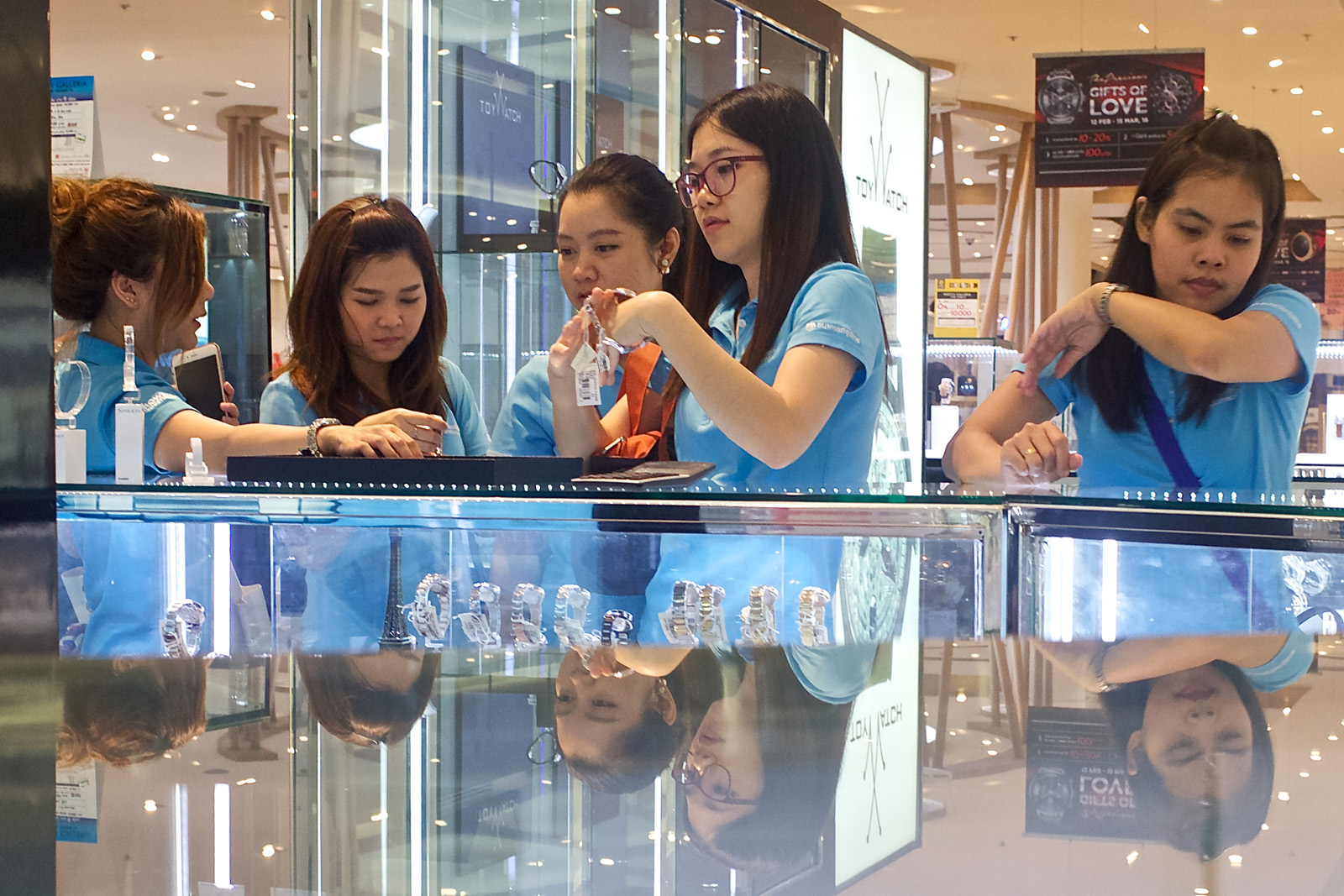
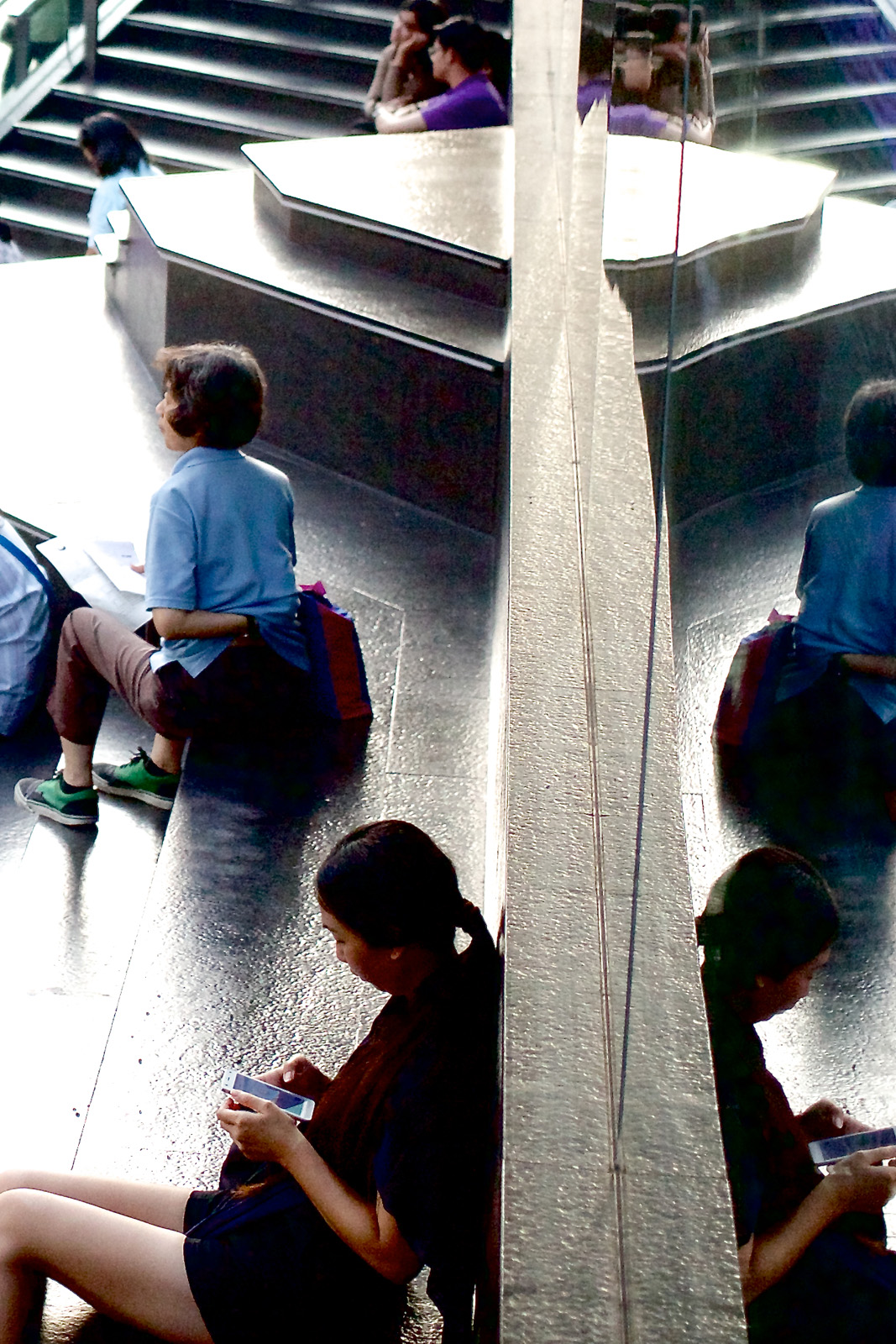
Following on from this, there are, I suppose, two main types of photograph in which reflection plays a major role: those containing both the reflection and the reflected object itself, and those that contain the reflection alone.

Of the two, the latter is the more difficult to use successfully. After all, the viewer expects to see a representation of a real object and feels slightly cheated when presented with a mere reflection of it. This is an entirely natural reaction. The viewer has agreed to turn away momentarily from the real world to look at your two-dimensional version, only to find that there’s another step required: a step beyond the image into a world seen in reverse. It really is tiresome!
giraffe

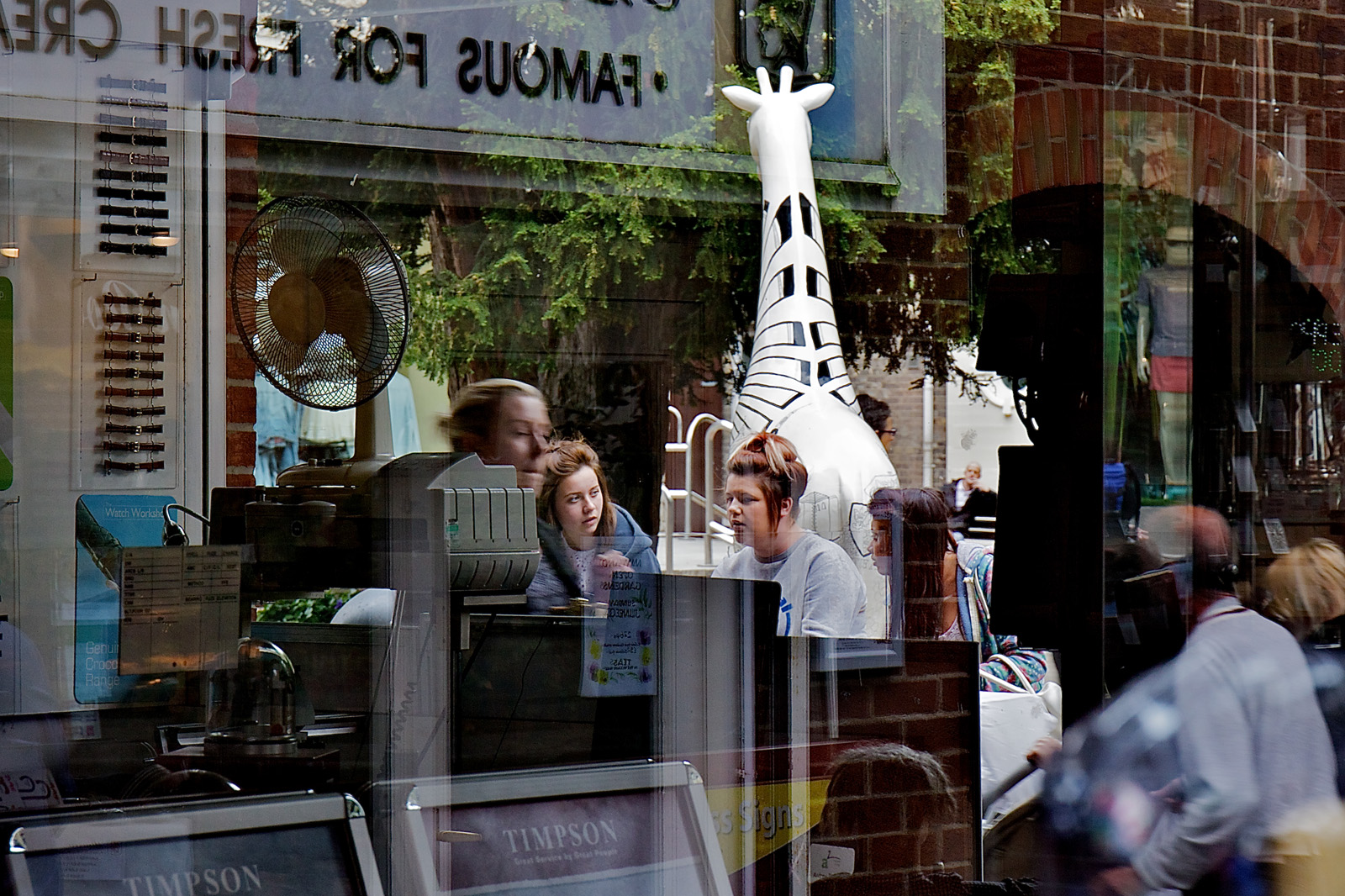
You can usually choose which of the two roles you want reflections to perform in your image. For example, if you photograph a person who’s leaning up against a shiny wall you’ll get a reflection that creates a degree of symmetry; but if you point the camera directly at a shop window you’ll get a reflection of the street behind you that would otherwise be out of view.

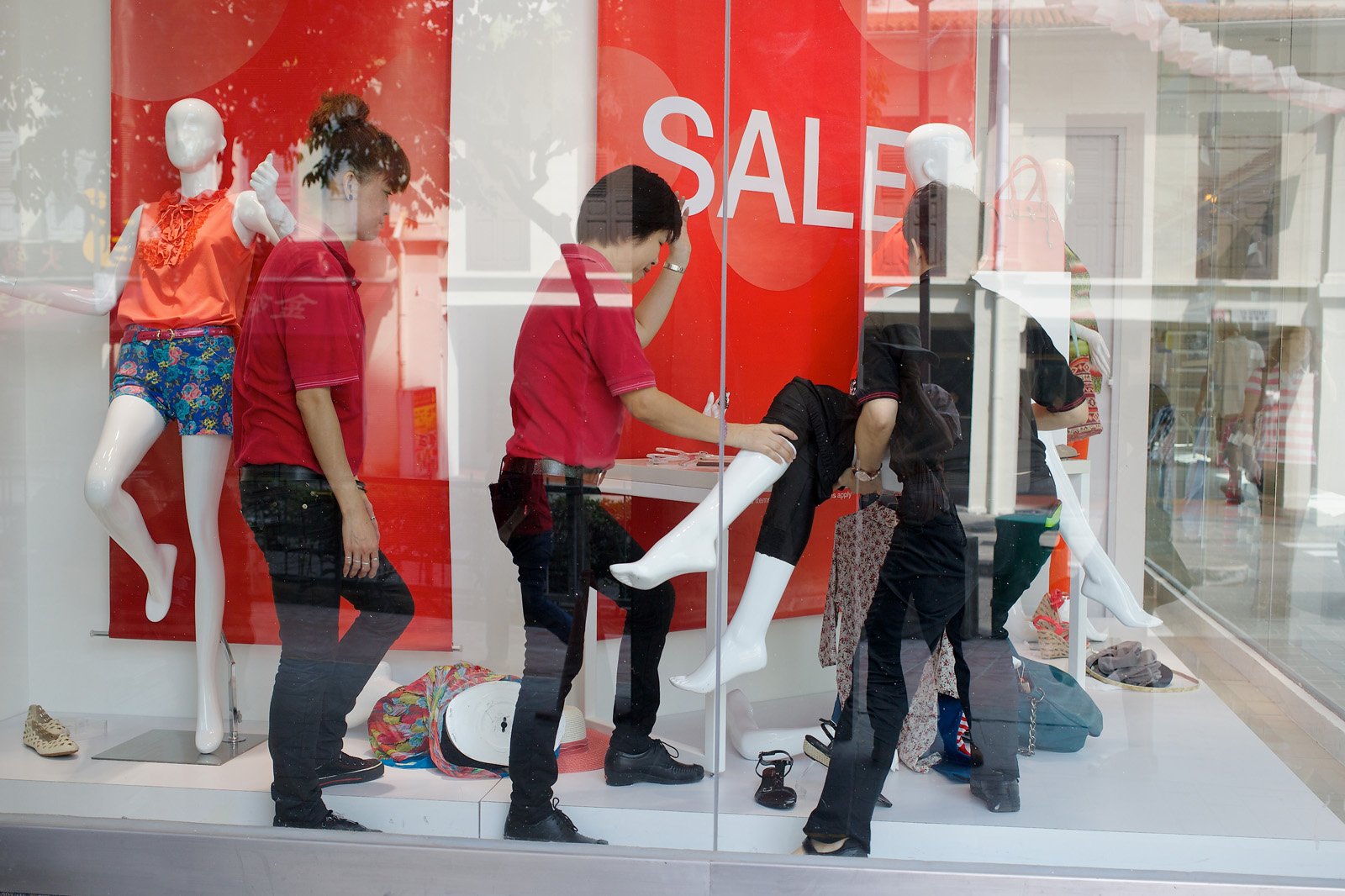
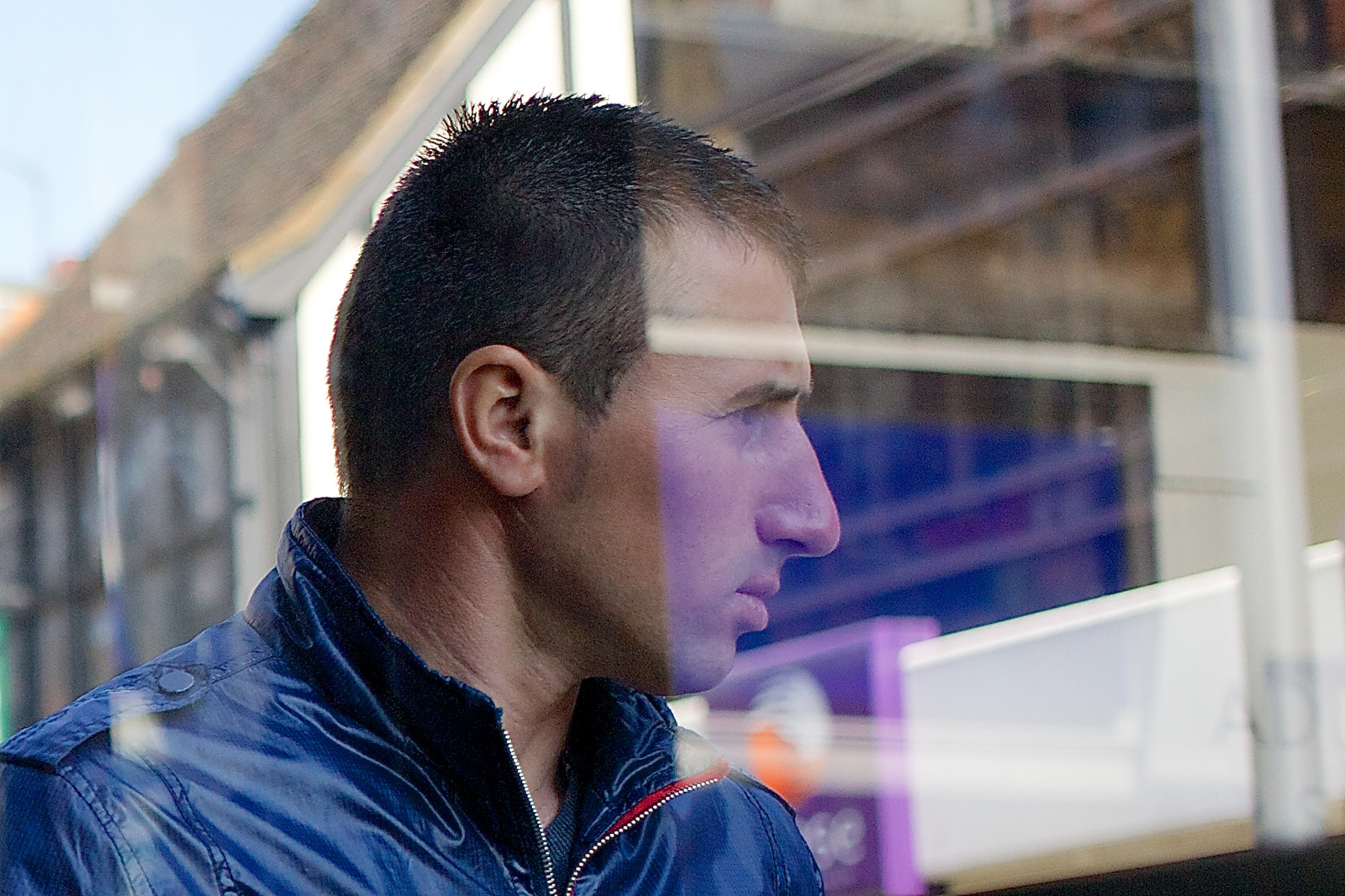
With the second approach you’ll get much more because the reflection is superimposed on the contents of the window. This is great fun (see above photos) but it creates complex patterns that are almost impossible to decode at the time of taking the shot, especially when there’s movement both on the street and on the other side of the glass.

Technical Pitfalls
From a technical point of view there are only one or two pitfalls to avoid. Shop windows tend to glare, so you may find a polarising filter helpful if you have one with you. You can always run a polarising routine during processing, but that’s never quite as effective as using a real filter.

Equally, you need to watch your depth-of-field, as reflected objects are usually further away than objects seen directly. It’s good to keep them all in fairly sharp focus, but it’s up to you the photographer to choose what’s right for your style.
jewelry counter

Historical Precedents
Street photographers have always made use of reflections. Among the greats of the past, Vivian Maier and Lee Friedlander spring to mind.

If you Google “Vivian Maier self portrait” you’ll find her favourite way of obtaining a “selfie,” by capturing her reflection in a mirror or practically any other reflective object. Everyone now tries this technique, but I doubt if anyone has done it better. In one famous image she appears as a towering, ghostly presence, her body reflected by the glass while at the same time shielding it from the light — enabling us to see two women sitting inside the shop, framed by the bottom of her coat.

Lee Friedlander used mirrors, glass windows and other objects to obtain reflections. Like Maier he sometimes made a self-portrait, either for fun or when the image needed the addition of a human face. His 1968 self portrait in a sepia coloured photo in New York City is one of his best, a magnificent semi-abstract composition of light and dark rectangles with great depth of perspective and passing figures: street photography at its best.

I was thinking about the potential of using light and shade, together with reflections, when I took the following shot. It’s essentially an abstract composition, but with an important human element.
reflected

Artistic Possibilities
Still water in puddles and pools is a great source of reflections and a very good reason why you should go out to take pictures on rainy days. Unfortunately, most streets are well drained, so you need to be in an area that tends to get waterlogged. Wait for the day to brighten; choose your angle carefully; and capture passing pedestrians as they step around the water or cycle through it.

If this sounds like the kind of advice one might give to a new photo club member, you’re right. It’s only a suggestion. The art of making really good pictures has little to do with simple strategies — they’re fairly obvious — but rather has everything to do with composition, timing, luck and intuition.

Being able to see the artistic possibilities of reflections in the particular enviroment where you are hunting for pictures is your most useful asset. It’s a talent you can acquire with practice, just as young guys learn to use charm and bravado to find a new girlfriend.

Perhaps you’re naturally gifted, in which case there’s not much more you need to know. Good luck!

When the Picture Makes No Sense At All

I have a feeling that most people only glance at a photo, then move on to the next one unless something in it catches their eye.

So what happens when the picture makes no sense? Will the onlooker be obliged to linger for a few seconds or turn away with a sigh of impatience? Either way, it’s an improvement. Confusing the onlooker is the artist’s revenge on those who don’t pay attention.

Forgive me if I sound a bit cross, but I’ve just read my Facebook comments, from which it’s clear that some people can be so impatient they’re prepared to condemn an article without actually clicking through to read it. You, dear reader, are not among them. Thank you for your indulgence.

The Crazy Café
In certain places it’s possible to take a representational picture and still leave the onlooker in total confusion. But first you have to find somewhere that’s visually disturbing on a grand scale.

My featured image (above) is an interior shot of a café in Bangkok, somewhat off the tourist trail. It will be familiar to the residents of the adjoining condo building and their guests, but I doubt if very many tourists will have seen it.

Dimly lit, the Bookshop Bar (at the Ashton Building, Sukhumvit Soi 38) is the sort of place where booklovers will be either delighted or appalled. Here, the designer Ashley Sutton — who’s well-known in Bangkok for restaurant interiors such as Mr Jones Orphanage at Siam Square, Maggie Choo’s, Iron Fairies and Fat Gut’z — has created the ultimate anti-book environment.

This is not a place where you’d actually want to read, unlike true bookshop cafés like the Elliott Bay Café in Seattle. Sutton’s Bookshop Bar is a surreal flight of fancy, a nightmarish vision of old, dusty volumes, twisted shelves, stairs that lead nowhere, feather quills on tables, and the pièce de résistance: books suspended from the ceiling on wires so they can be pulled up and down disconcertingly above the customers’ heads.

You can read long quotations from the books on the walls of the bar, but taken out of context they don’t make any sense. They seem to have been extracted from “penny dreadfuls” or old westerns, whereas the leather-bound (or faux leather-bound) volumes look as though they might be classics. The whole place makes you feel like Harry Potter having a nightmare before examination day.

Like the cakes in Mr Jones Orphanage, the Bookshop Bar is a visual feast — and where better to take a confusing photo? Any photo taken in this café would be puzzling. There are one or two on the Internet which do not include a blurred waiter, as mine does, but they’re still a jumble of nonsensical shapes.

In a still image, there’s no way to show the books going up and down on their wires, but by blurring the waiter I thought I could introduce a little movement into the shot. Frankly, I didn’t have much choice. I needed a long exposure in the dim light. Resting my elbows on a table I hand-held the camera, set it to ISO 1000 and took the shot at 1/20th second.

I think people will give this shot of the Bookshop Bar a second glance, if only to try and make sense of it. They will still continue to flick through other, more meaningful images without pausing, but at least I’ve stemmed the flow for now.

The Crazy Shop Window
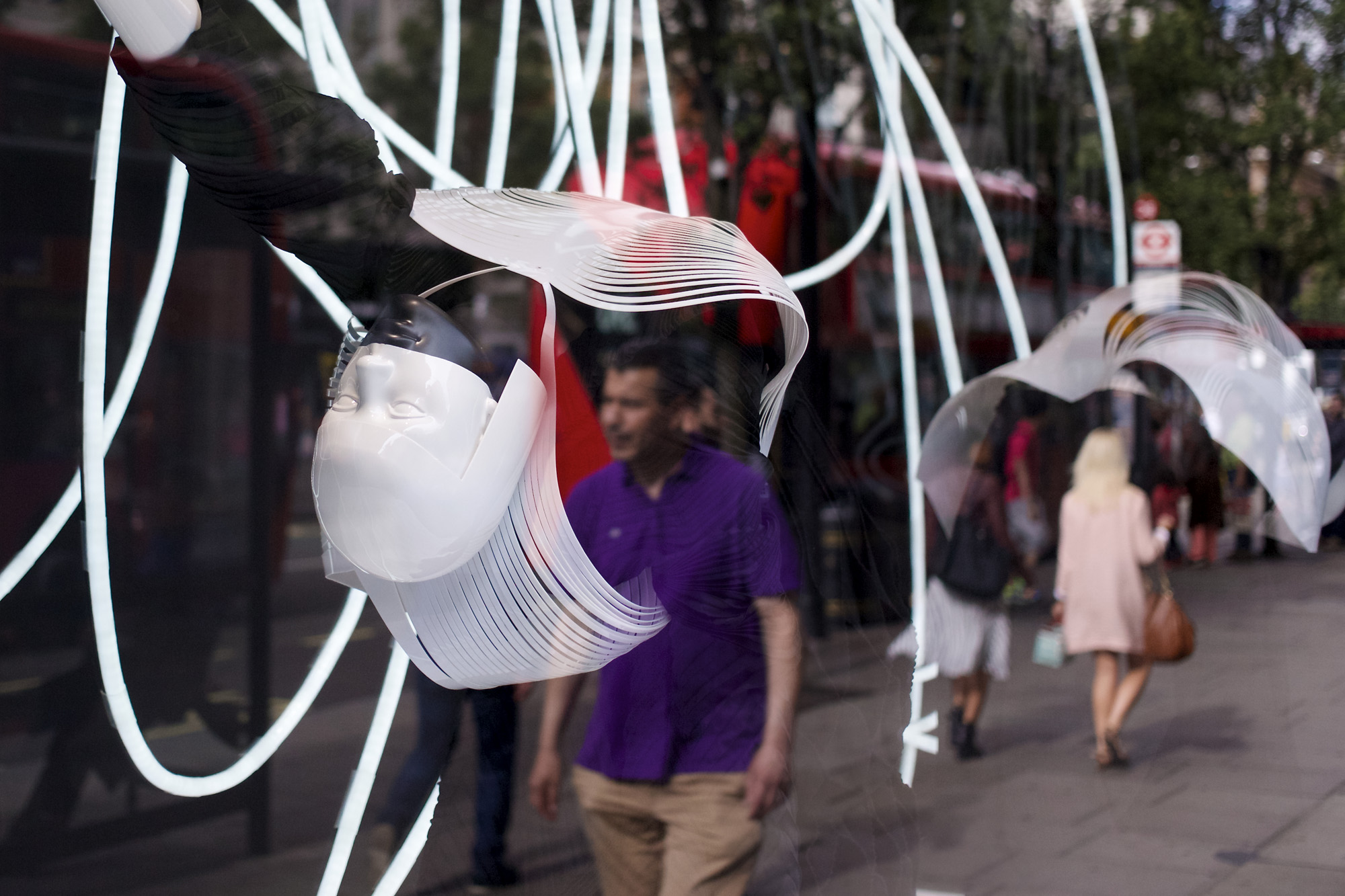
Again, in the image below, a strong element of craziness intrudes, setting the onlooker an indecipherable puzzle. This time the designer is Issey Miyake, whose surrealistic clothes are visually striking even without the dramatic treatment they were given in the Selfridges window on London’s Oxford Street.

Selfridges window

I tried photographing the window directly, but as I was standing in sunlight (it was a July afternoon) my reflection was unavoidable. So I decided to take the window at an angle and capture someone else’s reflection instead.

I quite like the result. It looks as though the two female pedestrians are holding sunshades, but no, it’s the work of Issey Miyake again. There are some ghost images, too, which even I can’t quite fathom.

Never mind. It’s Oxford Street on a typical summer’s day. I’d just attended my son’s graduation and I was still tipsy from a few glasses of wine. The subject seemed perfectly natural at the time.

Colour Matching Really Works

If you can find different people — or even a selection of objects — bearing the same colour within a street scene, you have a good chance of getting a satisfying photo. Better still is the occasion when people and unrelated objects share the same colour. That almost guarantees success.

For want of a more definitive phrase I’ll call this phenomenon “colour matching.” It’s what we do when we decorate and furnish a room, or get dressed in the morning.

Not all street photographers bother with colour matching, many of them opting out of colour altogether to concentrate on black and white. Maybe they are the sensible ones. Black and white photos always look good when you frame them and hang them on a wall at home. They don’t interfere with your existing colour scheme; instead, they enhance it by providing neutral contrast.

The Impossible Problem
As I’ve said elsewhere (my blog is full of colour musings), the battle with colour in street photography is constant and ongoing. It’s presence raises a fundamental problem which is almost impossible to solve.

It’s this: the streets contain a riot of colour. There are bright yellow markings on the road, bright orange cones, red warning signs, along with multicoloured cars, handbags and hairstyles. Shop windows have touches of colour coordination — and passers-by are as varied as a box of Smarties.

If you take a standard, wide-angle shot of this polychromatic world you’ll have a truthful image, but it may not look very pleasing to the eye.

So what do you do? (And this is where we get to the crux of the fundamental problem). You have a choice. You can continue to take the standard, truthful shots, making sure your system reproduces the colours accurately. Or you can be very selective, photographing only those subjects that show colour matching and coordination.

Expressed in the terms I’ve suggested, the choice would seem to lie between truth and falsehood; between true but ugly photos and those which are false but pleasing.

The Difficult Solution
There’s only one way to find a solution to the impossible problem. You have to prioritise your choice of subjects. It’s no less truthful if you take a typical scene when the colour combinations are pleasing, as long as you’re not consistently leaving out vital elements of our contemporary culture merely for the sake of art.

Unfortunately, you may have to overlook promising subjects that would make ideal content if found in an alternative location, or adjacent to differently coloured objects. You have to become very selective in what you photograph. At the end of the day (literally) you may still have plenty of images, but they’re likely to be in various styles: uncoordinated among themselves, although each one may individually demonstrate a mastery of colour matching.

I don’t think you need to worry too much about the variety of styles. When you have enough images you can sort them into harmonious sets. Personally, I think this is more enterprising than the blanket imposition of a black and white colour scheme to all your work.

Loosely Matched Colour
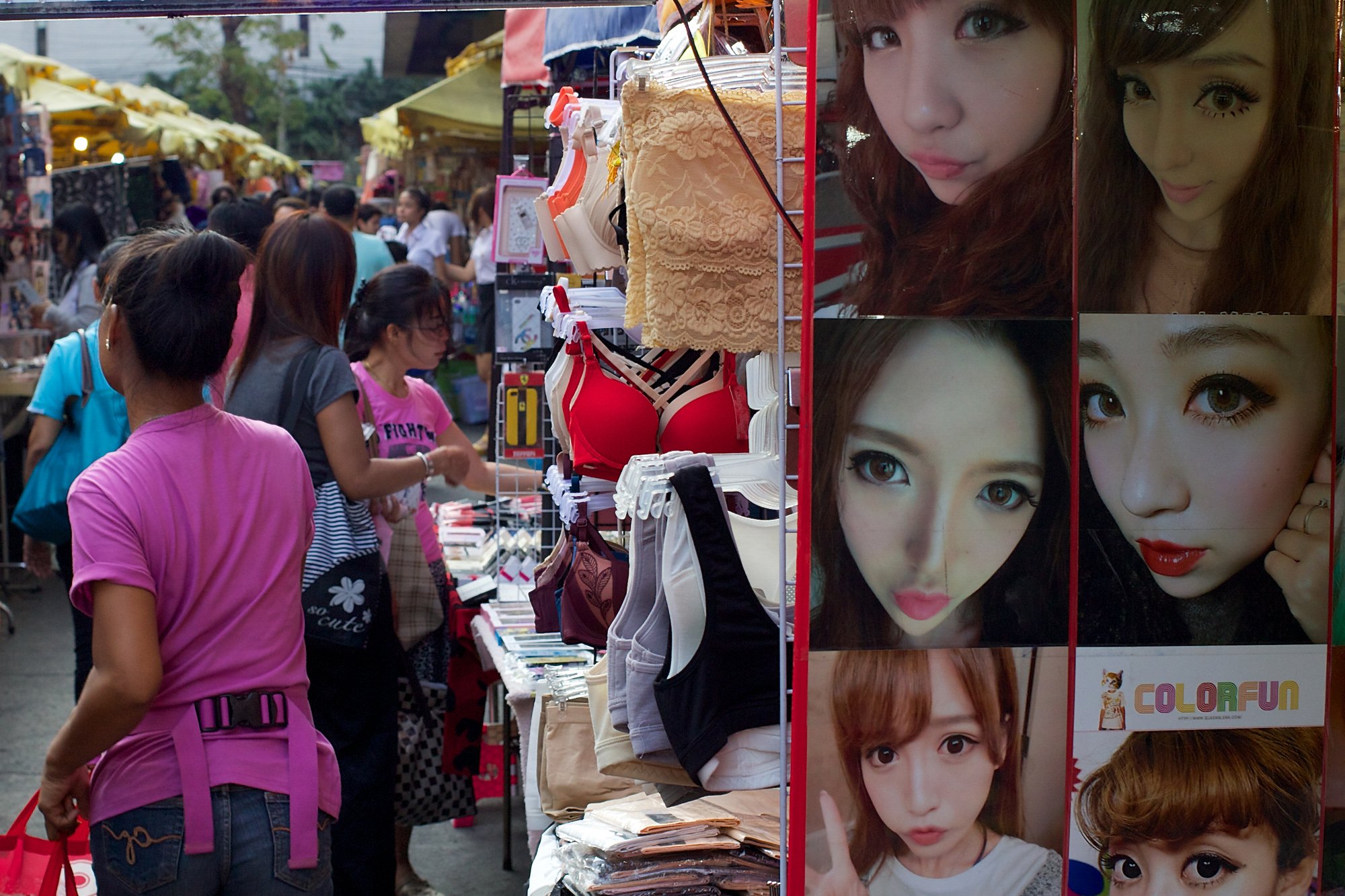
I’m not suggesting you attempt to control the colours too tightly. You can have fun with them, as my featured image (above) shows. I liked the “in-your-face” portraits of the ColorFun banners and waited until I found some matching colours in the passers-by.

In the photo, the prominent red bra in the centre anchors the composition. The strap of the bra below points to it, emphasising its role. Three passing shoppers wear a shade of pink which actually clashes with the red bra, but it doesn’t seem to matter. As long as there’s some colour matching you can still have fun. Luckily, there’s enough red in the banners — and in the bag at bottom right — for the fight between the colours to be evenly matched. (Note: the word “fight” appears on one girl’s tee-shirt).

Closely Matched Colour
It’s relatively easy to obtain an image with closely matched colours, but the result is often less exciting than when matching colours fight among themselves.

Stacked heels

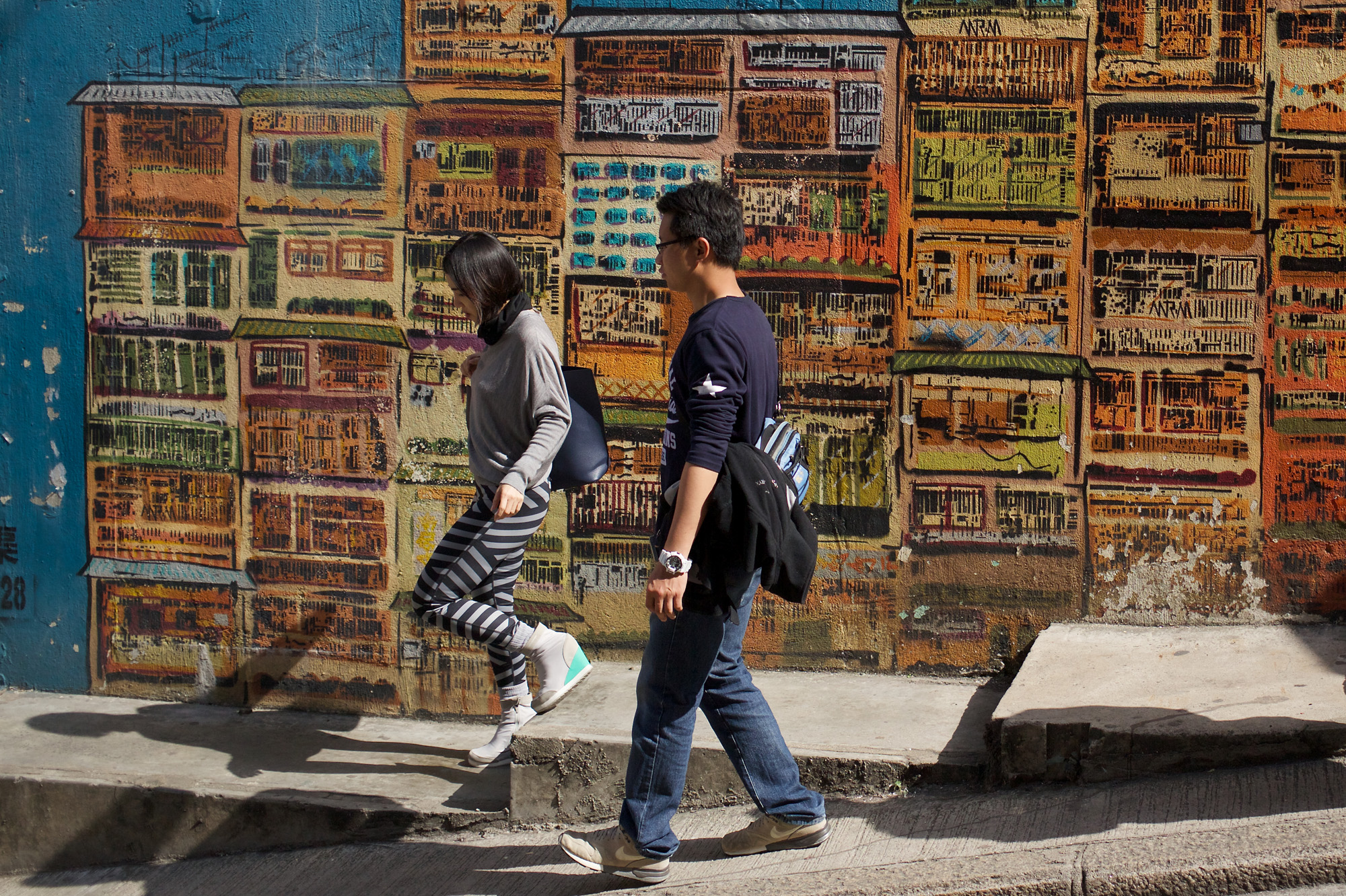
In the image immediately above (taken in Hong Kong) the artist has already created a backdrop using harmonious colours. All you need is two passers-by to complement the effect. The two I’ve chosen are ideal, partly because their colours are neutral but also because the stripes of the woman’s leggings echo the many stripes in the mural. Similar stripes are made by the zips in the man’s backpack.

Everything in the image is harmonious, except for the woman’s trailing foot with its huge stacked heel. She negotiates the perilous descent with skill — and the next step looks like it may be even higher, although we can’t see it. Her balancing hand, the man’s wristwatch, and the stacked heel form an inverted pyramid, suggestive of instability. Without this hint of danger the excessive colour matching would make the image uninteresting. That’s always the danger when you match colours.

Wooden stall

A Study in Yellow
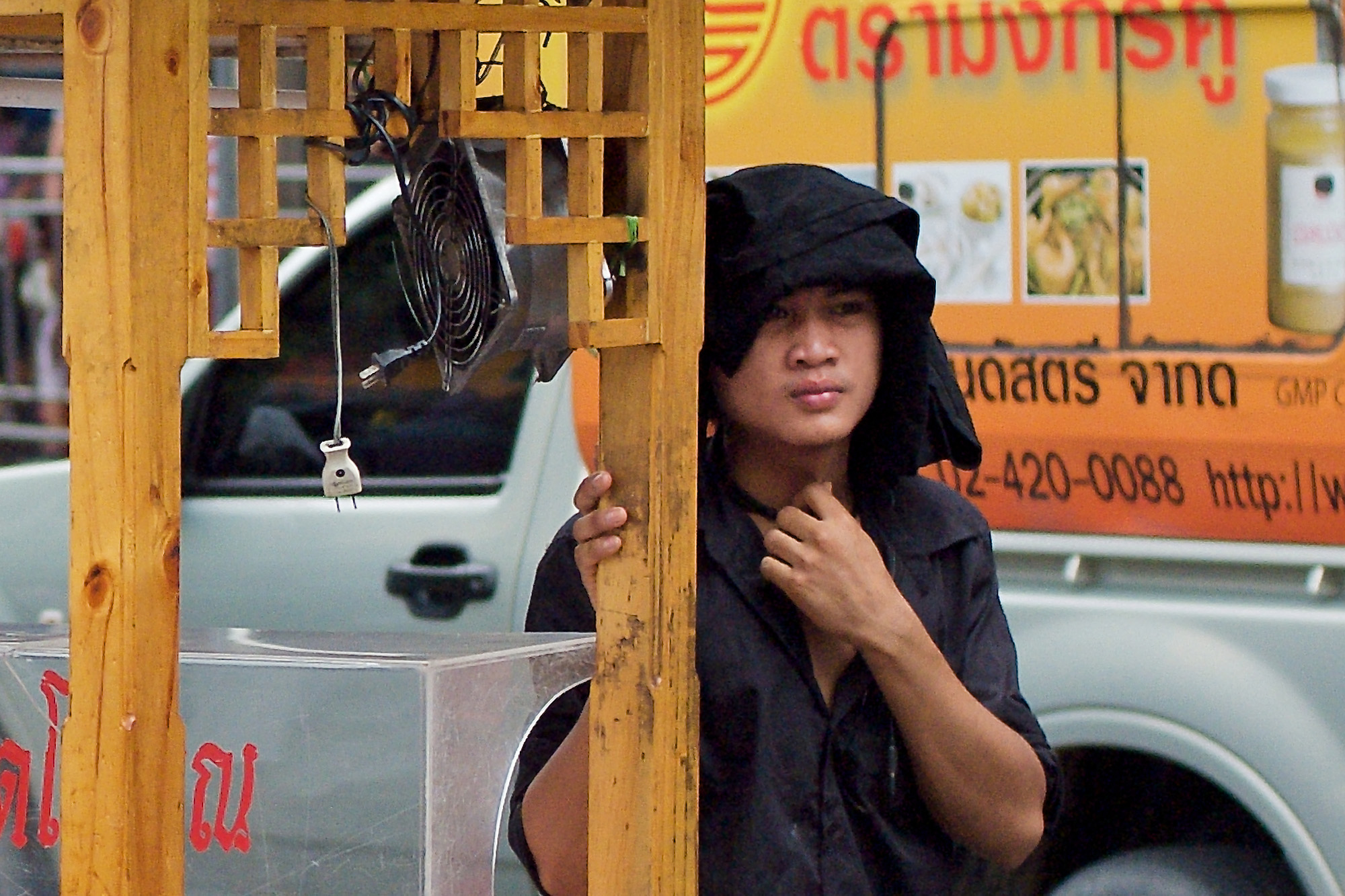
In the next shot (above) I’m relying largely on the subject’s pensive expression to lend interest to the image. With his friend this man was moving a portable stall through the market in Bangkok’s Chinatown. The yellow of the wood matches the colour of the advert on the side of the passing truck. The man’s black clothes and headgear match the electrical hob hanging from the roof of the stall.

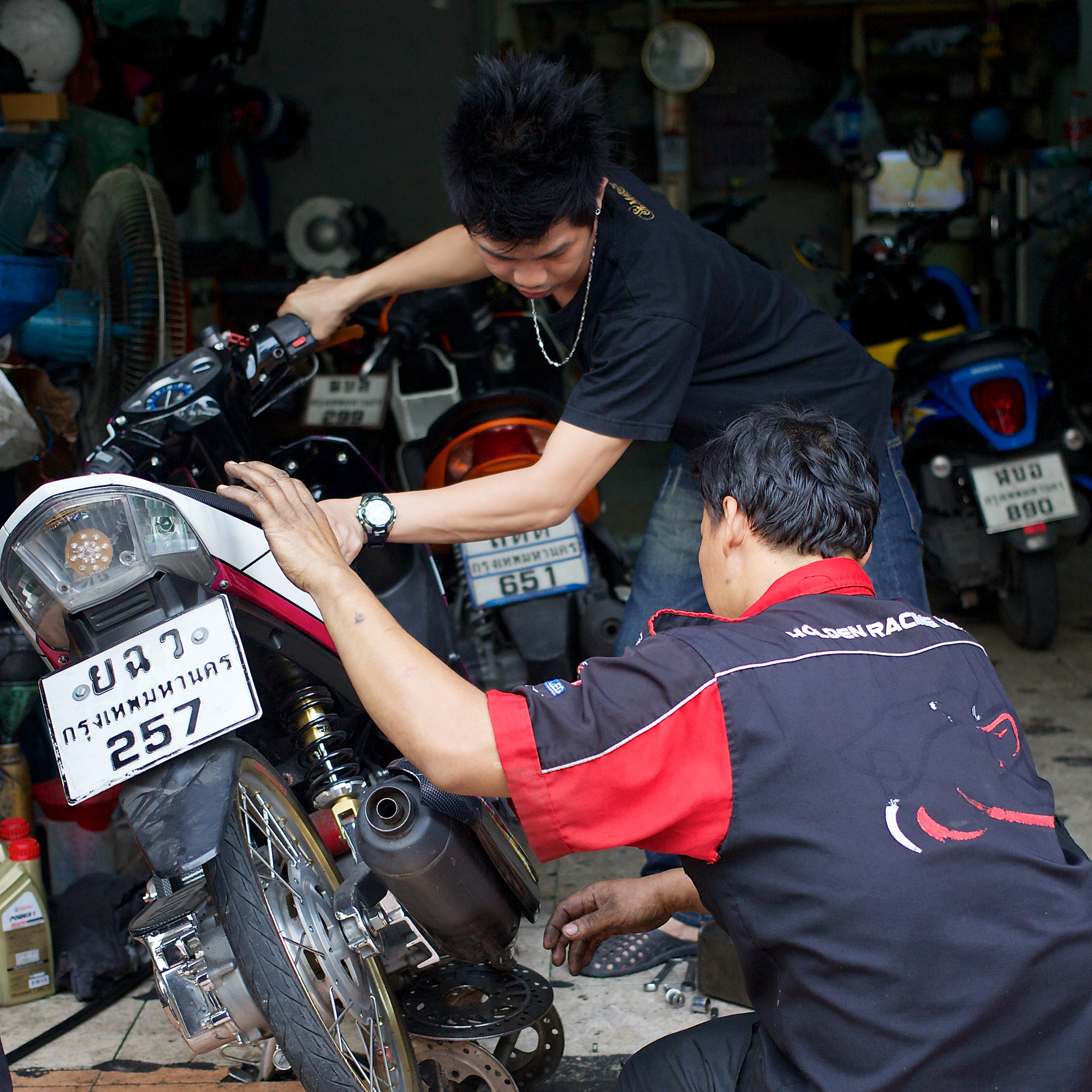
Again, I’ve made the image work on its own terms. But if I were to set it beside another internally harmonious image the two would not necessarily hang comfortably side-by-side. Nonetheless, because black is one of its most prominent dominant shades, it looks at ease with my final picture (below) of two repairmen at work on a motorbike.

The contrast between the two images is not one of colour — because they share a similar shade of red highlights — but in the actions of the subjects. The man in Chinatown is pausing, calmly, whereas the mechanics are caught mid-action in dynamic poses. You can’t see their faces clearly, so the picture relies on their activity for its visual interest.

Souped up

Truth Will Out
I don’t think the compositions I’ve shown here are any less truthful for having been plucked from the riot of colour on the street. I like to bring order to the reality I see, but I’m not always willing to accept the order which others — architects, designers, and town planners — have tried to impose upon it.

What matters? The end result. The finished image. A truthful statement that pleases the eye.

The Anxiety of the Street Photographer

I sometimes get the impression that photographers — even a few street photographers — never feel anxiety when they’re shooting. They look so comfortable, strolling around, casually glancing to the left or the right. They seem to be waiting for the perfect photo opportunity, perhaps a two-headed cow ridden bareback down the High Street by a naked dancer.

The other day I saw a man, camera in hand, looking for pictures on the right side of the street while a delightful two-second scene was being played out on the left. The light was perfect, the gestures demonstrative, the woman captivating. But the photographer was still checking out a minor architectural feature and wondering whether to record it.

Going Offline
Personally, I was not in shooting mode at the time. As I’ve explained elsewhere, I don’t carry a camera “at the ready” at all times; only when I’m seriously hunting for pictures. It’s the only way to do it. You need to have total alertness or just be content living a normal life without constantly taking pictures.

Along with “total alertness” — the state of readiness needed on the street when you’re shooting — comes anxiety. It’s part of the Faustian bargain you make with the devil (so to speak) when you take up this occupation of street photography. You sell part of your soul, or at least your peace of mind, in order to get decent pictures.

It’s not just me who feels anxiety on the street.

Henri Cartier-Bresson said in an interview (you can find it on YouTube): “It develops a great anxiety, this profession, because you’re always waiting: what’s going to happen? What, what, what?”

That’s it precisely! You become worried about what’s going to happen next. Or rather, you start to worry that nothing whatsoever is going to happen for the rest of day. You’ll just be stuck in limbo, wandering aimlessly around the streets, feeling — knowing — that all the action is going on elsewhere.

You start to wonder: “Why am I doing this? Couldn’t I be sitting at home reading a novel, or having a drink with a friend? Why do I feel compelled to tramp the streets of this goddam city when it would be so easy to get a flight to Peru and take some great photos of people wearing peculiar hats. A trip like that would yield sure-fire results.”

Only the voice of experience can calm your fears.

Good Days, Bad Days
The fact is: there are good days and bad days on the street. Some days I’ve gone out in my home town when the light has been great, only to find nothing to inspire me whatsoever. I return with a few desultory images that are barely worth loading on to my computer.

By contrast, I popped into London a few weeks ago — with the lowest possible expectations — and returned with around thirty shots that I wouldn’t mind showing.

Perhaps I respond more readily to life in the big city. I lived in London for many years and I know the feel of most of the streets in the West End and all of its surrounding areas. It’s possible to be both anonymous and invisible in London whereas neither is possible in a small town. It’s harder to photograph strangers in the street when you’ve seen most of them before.

Now you’re wondering: can you turn a bad day into a good day by using a different strategy or by trying to change your mood? Maybe it’s your anxiety that’s actually causing the lack of photo opportunities. Perhaps there are opportunities happening all around you, but your negative mood is preventing you from seeing them.

The Best Tip of All
I don’t subscribe to the view that anxiety is negative. It’s quite the opposite. It’s what induces the state of “total alertness,” when you’re able to take in everything that’s going on around you and respond to it quickly. Getting some potentially good pictures reduces your anxiety; failing to get them increases it. Fortunately, I do have a tip that may help you keep your anxiety level down to manageable proportions.

It’s simple: just move to a busier area where there are more opportunities.

While it’s true that you may get some of your best images in the quieter streets, especially when the light is good, you’ll find it frustrating to work in these areas for long periods. As Cartier-Bresson says, “you’re always waiting” — and it’s the waiting that causes frustration and anxiety to build.

So when that happens, give yourself a break (and if necessary change your style) and move to where there’s more action.

This is what I did after taking shots in the Seven Dials area of Covent Garden. It’s a great spot: a confluence of streets with attractive buildings such as pubs, restaurants and vendors of theatre tickets. However, there’s only a trickle of passers-by, making it difficult to compose meaningful shots in which people play the major role.

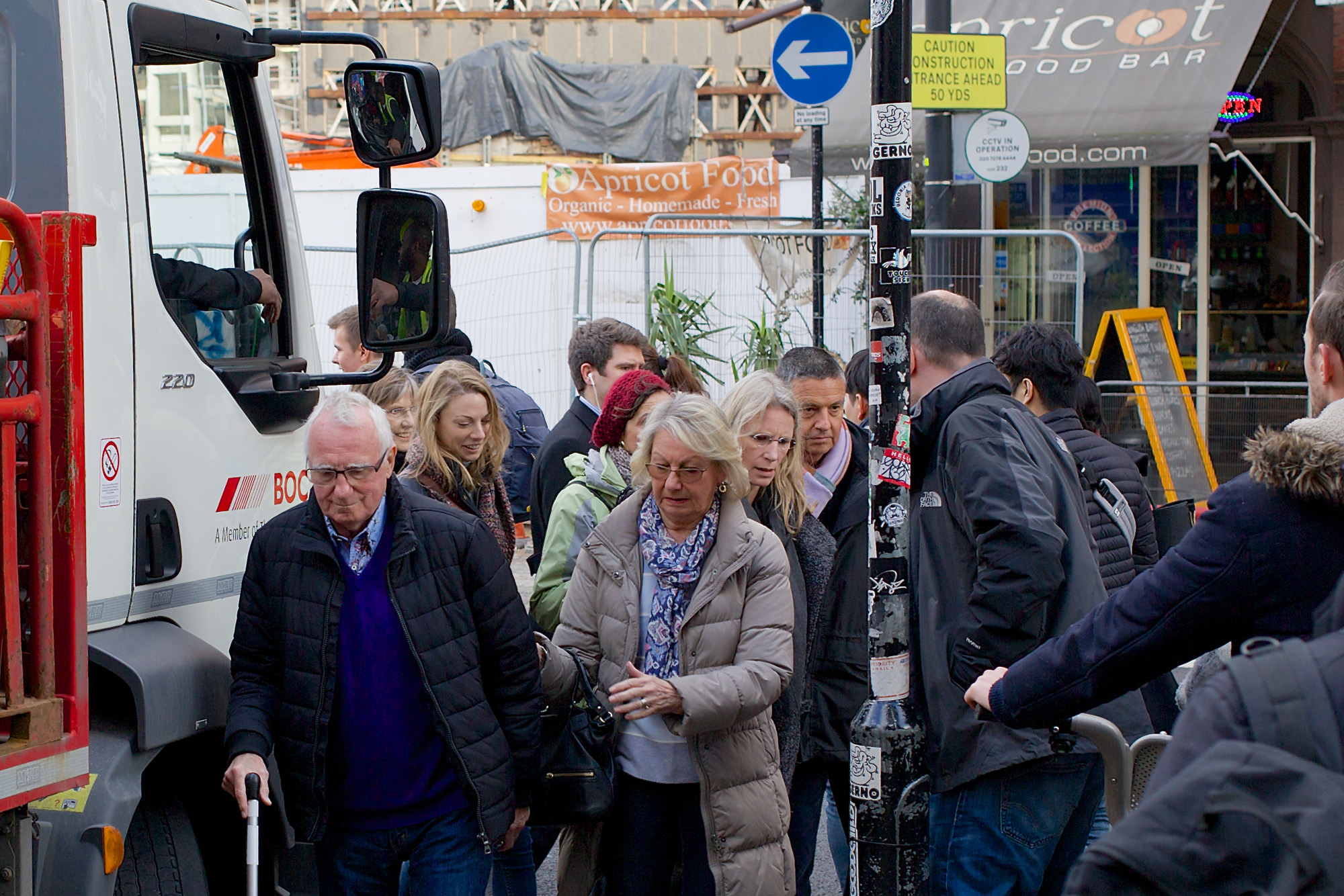
Time was marching past quicker than the pedestrians and I was becoming increasing aware of my lack of success. The solution was to walk the short distance to Tottenham Court Road, a major artery heading north, where I found some building works causing chaos on the pavement. Pedestrians were having to walk around the trucks that were pulling out on to the main road into the path of oncoming buses. You can see one of the shots I took just above this section.

Breathing a sigh of relief, I was able to head back towards the quieter areas and continue the day’s shooting (such as the featured image, at the top). I found that alternating between backstreets and main thoroughfares was a good way to engineer a positive outcome. The build-up of anxiety in the quiet areas made me bolder in the busy areas, resulting in better pictures.

My message is this: don’t worry about anxiety. Just use it to your advantage.

Allow Themes to Emerge

This blog post is all about one single tip for the aspiring street photographer. It’s this: don’t set yourself specific tasks or place yourself in the straitjacket of a “concept.” Just take pictures and allow themes to emerge.

You may not recognise them at first. You’ll see various subjects in the street — shoppers, workers, entertainers, people making deliveries, others standing around in groups — and occasionally you’ll make your selection and take a picture. You’ll probably think your choice is governed almost entirely by other factors, such as expression, gesture, dress, lighting and background. But it’s not.

There’s always an original motivation which propels you towards one subject rather than another. Clearly, this motivation lies within the photographer and doesn’t form part of the outside world.

For example, if you frequently take photos of people in groups, does each particular group have some unique quality that deserves your attention? Of course not! You’re attracted by many different groups, for reasons of your own.

Maybe you have a deep tribal instinct, one that’s normally hidden but which emerges when you look at the world through your camera. Or maybe groups disturb you and you want to come to terms with them.

Whatever it is, you choose to take pictures of people in groups — perhaps without being fully aware of it. The photos get mixed in with all the others you take: of people by themselves, small details, crowds, dogs…

The Emerging Theme
After working at street photography for a year or two you’ll see themes emerging naturally. Going back through your pictures you’ll notice the subjects which have held your interest. Perhaps you’ll even be able to assemble a few collections: galleries in which there’s some commonality between shots.

The process I’ve described is one I’ve noticed in my own street photography. First and foremost I’m attracted by contrasts. I like to see one idea (or shape, or colour, or an entire culture) pitted against another. Yet I’d been taking street pictures for a year or two before I realised how endemic the process had become. Now, I don’t think I could stop myself seeing peculiar contrasts even if I tried.

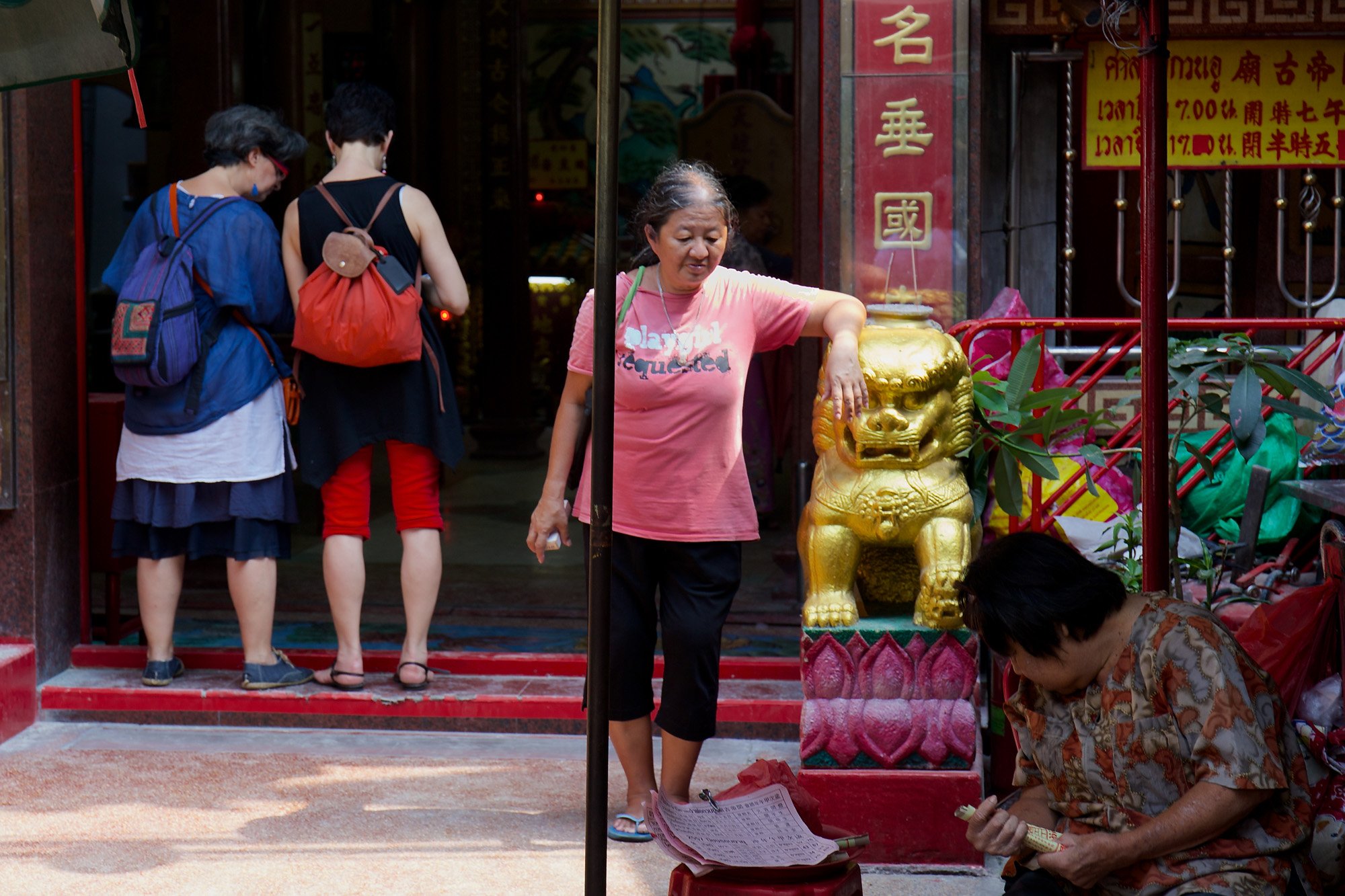
For example, take my featured image (above). Taken outside a Chinese temple in Thailand, it’s a nice jumble of colours, with an emphasis on the lady in pink who wears an inappropriate tee-shirt proclaiming “Playgirl Requested.” You can see immediately the clash of cultures and languages, but the contrast also extends to the two tourists at the temple entrance. They’re dressed in primary colours unlike the other women — and they face in the opposite direction.

You could argue that contrasts do not in themselves constitute a theme. Their inclusion in street photography is like adding seasoning to a meal. Perhaps you’d be right, but it’s not only contrast that attracts me to certain subjects rather than others. I also like pairs.

The Joy of Pairs
You’ve probably noticed there are two pairs of people in the featured photo. Communication passes between the members of each pair. That’s the joy of being in a group of two: you can be mutally supportive, whether you’re sightseeing or working seriously.

Here (above) are two cyclists who share the same uniform — passing under a bougainvillea bush (fuengfa in Thai) of much the same colour. It’s good when the pair of subjects share something in common with their surroundings.

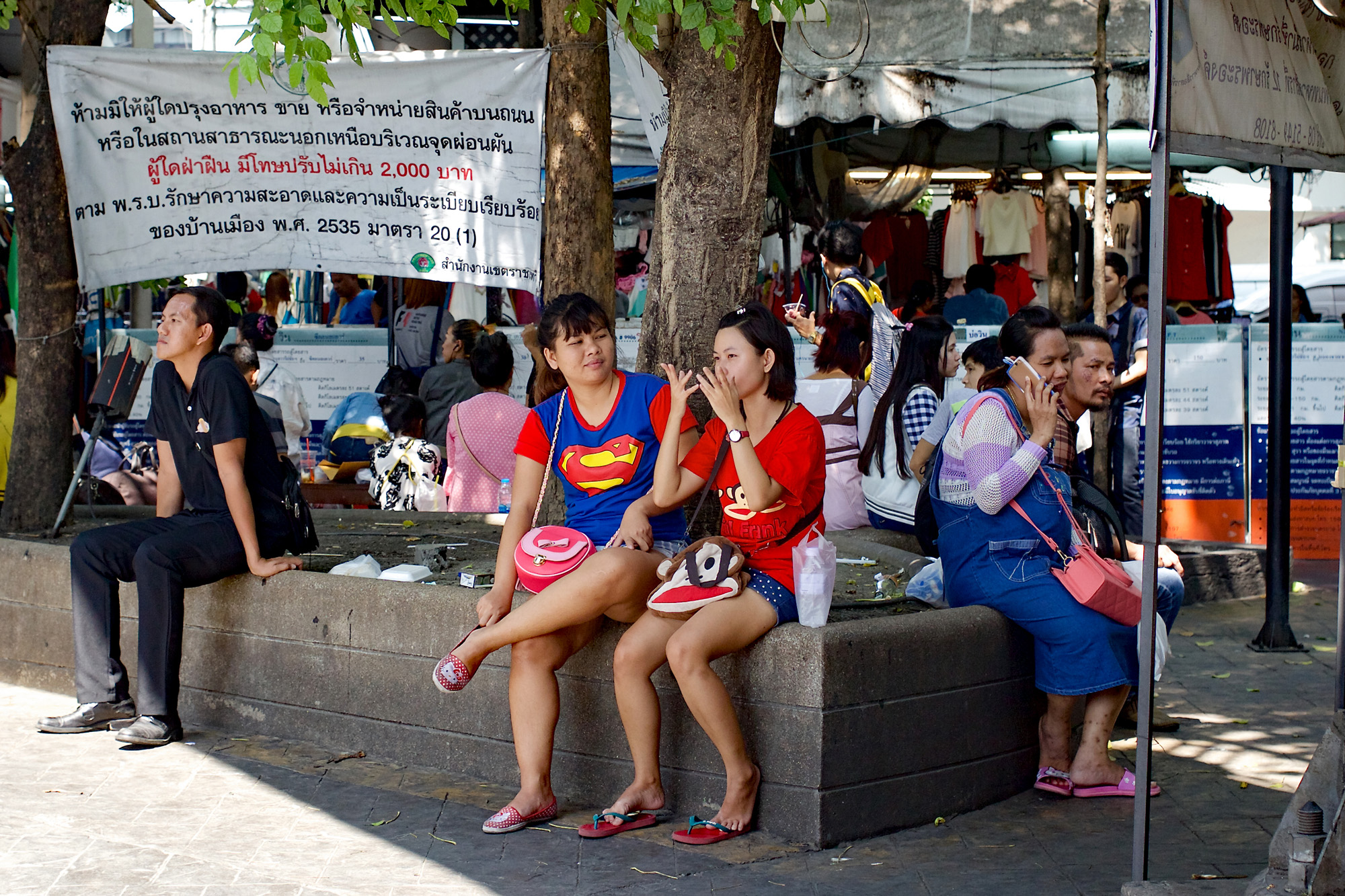
Fortunately for me the world is full of pairs: lovers, brothers, sisters, married couples or just-good-friends. I spotted the scene below from the top of a bridge and hurried downstairs to take it.

The two young women with a similar taste in clothes and accessories were still in animated conversation, so I wasn’t disappointed. Moreover, I found a striking contrast with the (married?) couple on the right and the man sitting by himself on the left.

In a sense, the two pairs of people and the man in black form three distinct subjects in the above image. Their respective states of mind are entirely different: reflective (man in black), upbeat (cartoon couple), and somewhat concerned (married couple). Meanwhile, life goes on all around them.

Here’s one last pair: two girls in Singapore taking a selfie. What motivated me to take the shot? Their matching flip-flops, of course!

Other Themes
I think I have around a dozen other themes which have emerged naturally during the course of taking street photos. I’ll be talking about them in future blog posts and I’ve already mentioned one or two — such as “The Face in the Crowd” — in articles I’ve posted recently.

Off the top of my head, without thinking too deeply about it, here are some of the subjects to which I’m drawn:

People eating; shoppers going in an out of a mall; people playing with water; men working; women standing around “looking good”; people looking bored and anxious; anyone carrying something unusual; people who are extremely ordinary yet somehow beautiful.

I remain open to other ideas, but these will keep me going for a while.

Dressing Windows

A sheet of plate glass less than an inch thick separates the life of the street from the life of the shop window. When window dressers change their display, they — and their display — become a potential subject for street photographers. Should we accept the challenge? You bet!

Window dressing is a great subject, but it’s also an extremely difficult one. However, for the moment, let’s forget about all the difficulties and look at why it’s so great.

The world of the street and that of the store are entirely separate, with their own conventions and environmental conditions. Unlike stores in the mall, which blend into the walkways with open entrances, high street stores put up a barrier against the street while inviting the onlooker to step, imaginatively, into the window.

The shop window is therefore a stage with props and actors, a theatrical showcase where the performance is often stationary and always silent.

During the changeover, when window dressers move in to change the display, the goods are replaced by a real theatrical performance: men and women at work, struggling to manipulate awkward mannequins in a confined space.

Yes, it’s a great subject because it’s literally a window into another world, but you need to be there when it happens.

The Difficulties
So many! Where do I start?

First, is the problem of reflected light. The street will almost certainly reflect in the window, making the subject the brightly lit people on the sidewalk rather than those inside the store. For this reason, nine out of ten windows are not fit for the street photographer’s purpose.

Second, is the difficulty of framing the shot. If you step back you’ll interfere with the flow of pedestrians, one or two of whom will huff and puff and walk in front of the camera. I can’t say I blame them. They worry me less than those who patiently try to stay out of the way.

Third is the problem of finding a good angle. You can walk left or right, but that’s about the extent of it. The subject is already elevated (in all likelihood) and so there’s no point in stooping down.

Fourth, is the problem of focus. If you rely on autofocus you’ll find that any marks or stickers on the glass will force the AF to focus a foot or two in front of the people in the window.

Fifth (I’ll call a halt to the difficulties after this one) is the fact that window dressers spend a lot of time pondering, looking, and evaluating — more than the time they spend lifting, pinning, and arranging. If you wait for them to do something interesting, they’ll wait for you to go away. This is the trickiest problem of all.

Solving the Difficulties
1. You can reduce the problems caused by reflected light if you use a polarising filter, either on the camera or later in software.

2. A wide angle lens lets you get as much of the window into the frame as possible.

3. Holding the camera high up allows you to include most of the action from a good vantage point.

4. Focus on the figures and not on the glass. Use manual focus if necessary.

5. Stand well away from the window to observe what’s going on, then move in when there’s some significant action.

Moaning About the Results
As you can see, I’ve never solved all the difficulties, but I’ve done my best — and one day I’ll get the all-time classic shot of window dressing (or so I tell myself).

My featured image (above) was taken in sun-drenched Singapore, so reflections were always going to be the major snag. Nonetheless, the shot has good focus and resolution and the original would print at 32 x 40 inches. Alas, at that size you’d see the spots on the window, caused by rain or splashes from passing traffic. I’d remove them if I printed the image.

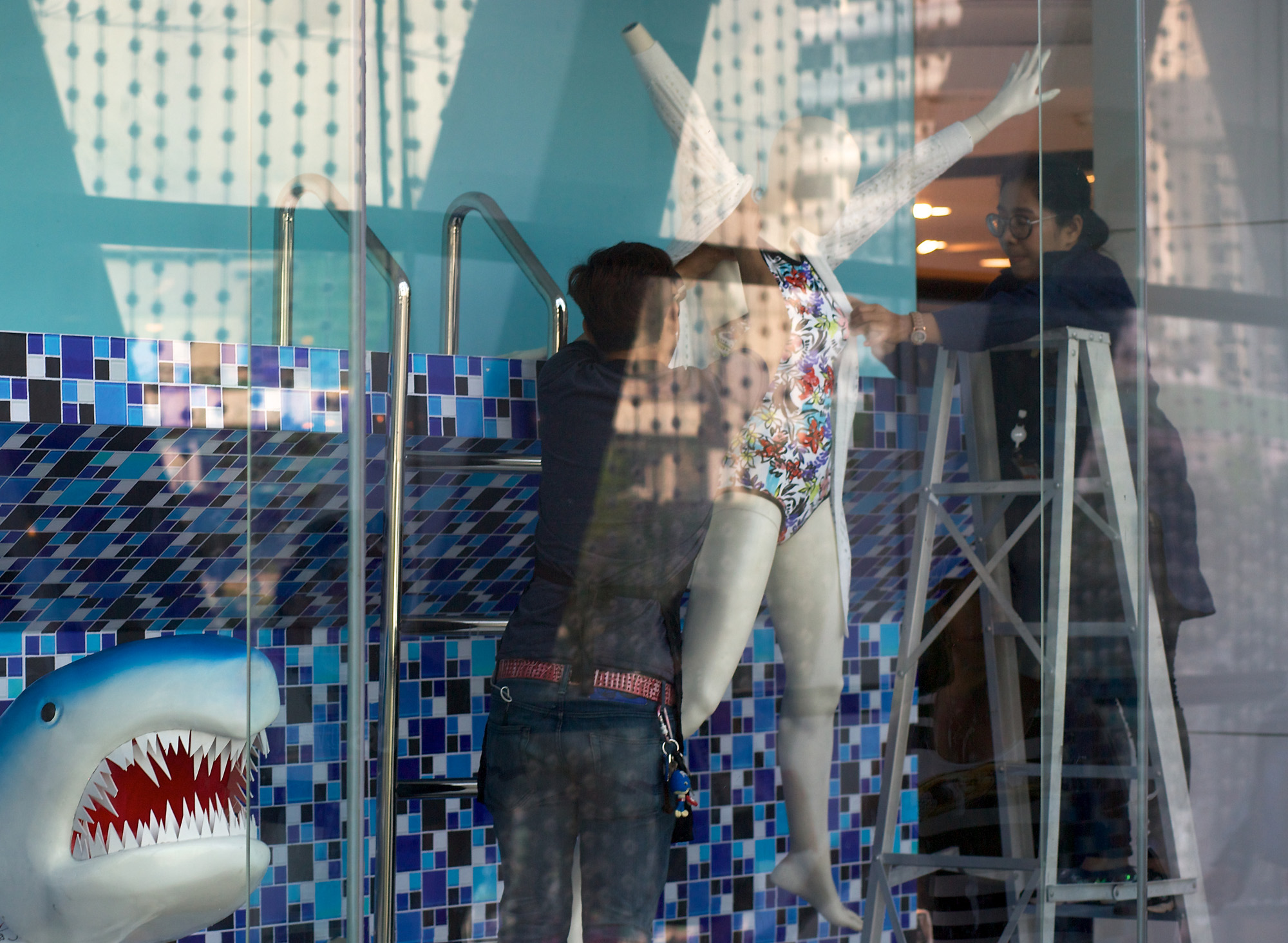
I applied a software polarising routine to the shot below, which makes it just about usable. But the framing was almost impossible, forcing me to crop the image at either side. I took focus from the shark — which is obviously correct, as nobody wants to see blurred shark teeth.

As a consequence, the figures are in soft focus. Although I rather expected this effect, I think perhaps I’ve overdone it. What do you think?

As you can see, the mannequin is missing a hand, which, together with the shark, is the point of the image.

I have no idea whether the window dressers eventually attached the hand before they finished. I hope so, because “wear this swimsuit, get mutilated by a shark” doesn’t seem to be great advertising.

Still, it’s eye-catching, both as a window and as a not-exactly-what-I’m-after photo.

When the Camera Is Near the Ground

When it comes to vantage-points, there’s the bird’s-eye view, normal eye-level, chest height, knee height and subterranean. For the last of these categories you need to be emerging from somewhere underground, like a tube station or a pedestrian subway.

Maybe subterranean is a bit extreme. It can yield good results, but I usually wait until I’ve nearly reached the top of the stairs before taking a shot. I usually get a reasonably good image because I’ve had time to think about it on the way up.

The Featured Image
I’d like to dedicate my featured image (above) to a Chinese gentleman who was talking on his mobile phone in our local park. Without his unintended help this picture would not exist.

There are two paths in our local park which run more or less parallel, one being a couple of metres lower than the other. I was walking along the lower path when the man with the phone starting shouting in Cantonese at the top of his voice. I hastened my step in an attempt to get out of earshot — and as I did so I found myself drawing alongside a woman pushing a pram.

It’s possible “the busy young mum” of my photo was herself trying to escape the bellowing voice behind us. She was moving rapidly and would have disappeared had I not been walking at the same speed.

Our paths began to converge and as soon as I could get a clear shot I grabbed the picture you see. It looks like it was taken from “ankle height,” but that’s the effect of the low elevation of my position. It’s made a huge difference to the quality of the image.

The Analysis
What can I say about it? I think it speaks for itself: a young woman in charge of a baby, hurrying across town, talking on the phone, shopping tied to the handle of the pram — but can she really be a “young mum,” or, with such a trim figure, is she perhaps the “au pair”? It doesn’t matter.

What matters is the low angle which places her head and shoulders against the sky. What matters is the way the early summer sun “makes” rather than breaks the image. The woman’s naturally pale skin looks perfectly congruous in this situation, as she walks towards the light. The white gables of the house on the right and the white penthouse on the left provide blocks of whiteness on either side to keep her company.

I think the image has an iconic quality that would be missing if I’d taken it at eye level while standing alongside the subject. Was I thinking of William Egglestone and his famous photo of the child’s tricycle? Not when I took the shot. The viewpoint may be the same, but I’ve included dynamic action which is deliberately absent in Egglestone’s picture. Yet somehow the iconic quality remains. I think it must have something to do with the angle!

The Inside Illusion
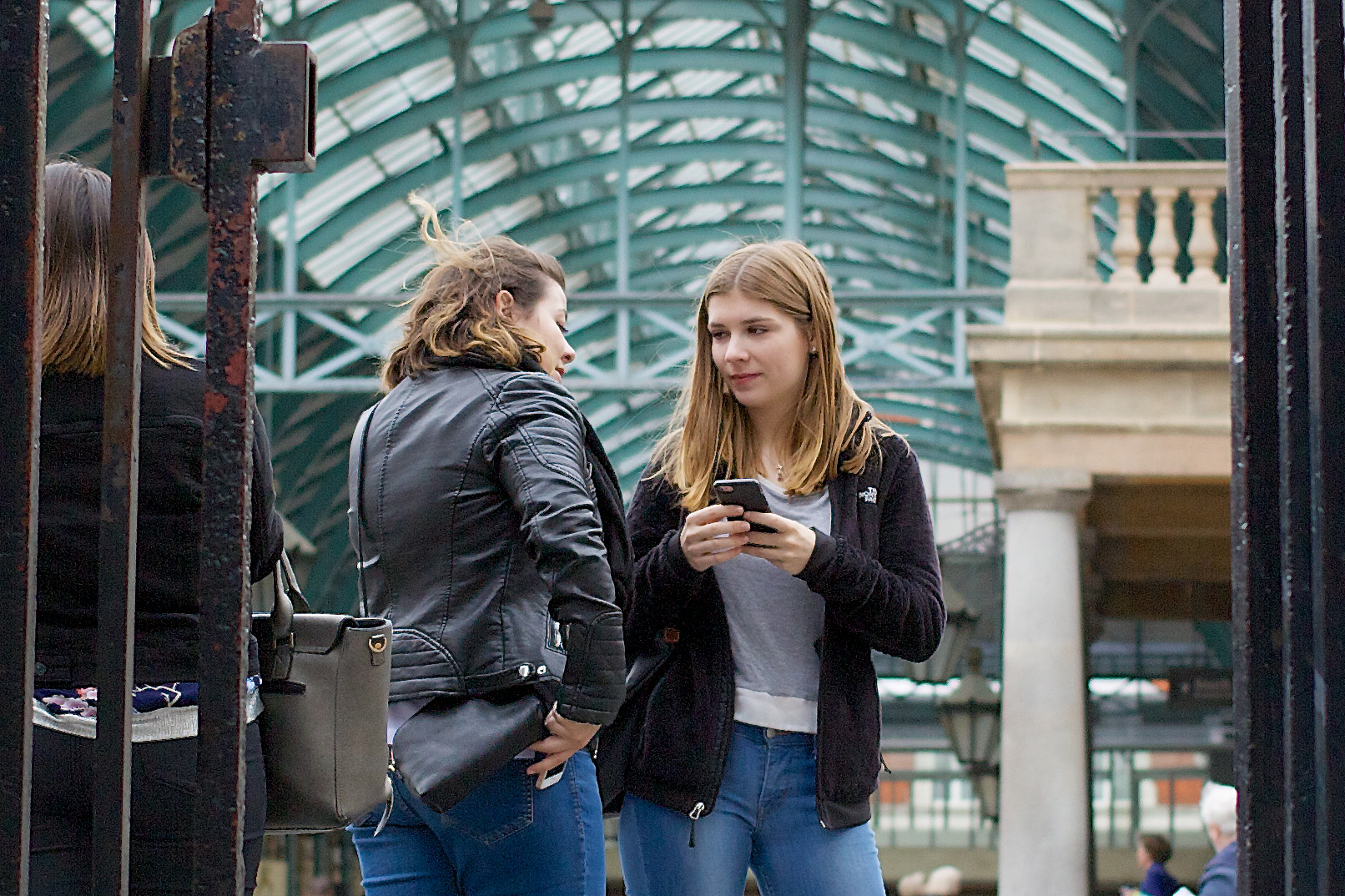
I was approaching the top of a flight of stairs when I took the image you see below. You could almost classify this one as “subterranean,” but I think it’s from around “knee height,” slightly above the viewpoint of the featured image at the top.

Again, the angle makes the image — because the girls’ heads and shoulders are seen against the beautiful curved roof of the building behind them. But there’s another factor at work here, too: an optical illusion.

The low angle combined with foreshortening of the image (courtesy of the 40mm lens) have given the impression that this is an interior shot. It’s not. The building is forty yards away and there’s a huge open space and clear sky in between.

Because it’s an exterior shot, taken on a bright day, the subjects are brightly illuminated in a way that would be impossible indoors. Adding to the illusion, the iron railings to the left and right are suggestive of an open doorway, possibly part of the same building. In fact, they’re across the street and completely separate from the enclosed area you can see.

If the picture has any quality, it exists because of the illusion I’ve described. You could look at it for a minute or two without realising its secret. But, of course, the secret is given away — ultimately — by the windswept hair of the girl in the leather jacket. Of course, it has to be outside! I’ve put a clue in the title by calling the photo “Windswept.”

Keep Looking Up
I greatly prefer the shots I get by looking up at the subject from below to those I get from looking down. That’s not to say looking down doesn’t give you an interesting perspective — it does — but it’s much less flattering to the subject.

For every shot I take looking down I’ll take ten looking up. I think I’ll keep it that way. If pessimists look down and optimists look up I guess this makes me an optimist. And you really need to be an optimist as a street photographer.

What’s at the Centre of Your Street Photo?

When a street photo has a central core, you can take liberties with the rest of the composition. A central core establishes a pivot point around which other elements can dance.

Can you make a great composition without such a pivotal object? Yes, of course, but it certainly makes life easier.

I’ve spent more time than I care to calculate on thinking about composition and what looks right and what looks wrong. I don’t expect everyone — or indeed anyone — to agree with me, but I can honestly say I’ve explored thousands of possibilities.

My conclusion is: the central core is the one element that’s most likely to give the onlooker a sense of rightness, even when there’s a jumble of other shapes and colours around it.

Returning from a recent trip to London I discovered that a high percentage of my photos had an “object of interest” right in the centre — or at least somewhere along the vertical line that divides the image into two halves.

Big Earring
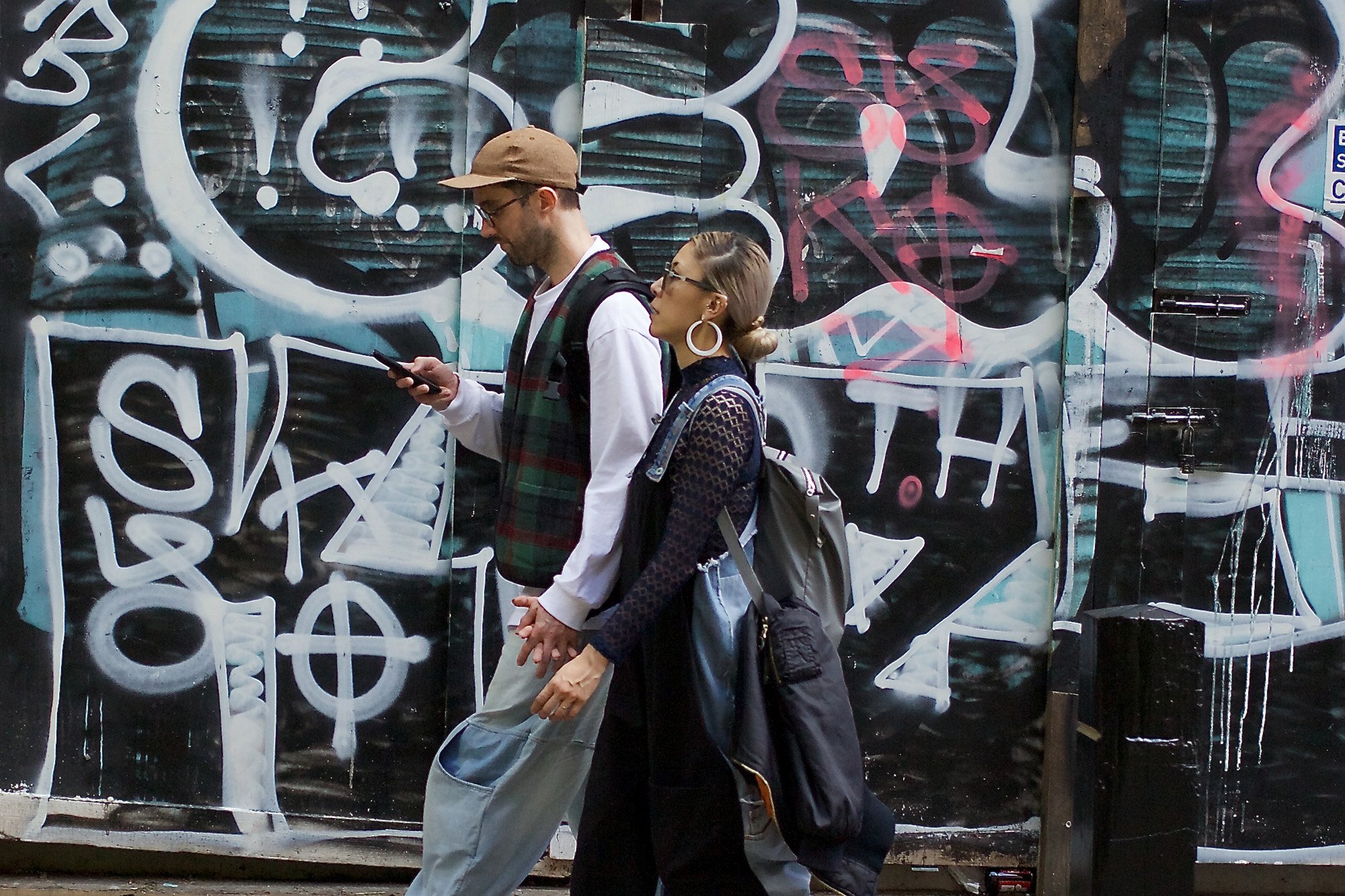
Take the featured image (above), for example. The object of interest is the woman’s large, circular earring which catches the light and seems to echo the swirls of the graffiti wall in the background. In fact, it’s this correspondence between the two that pulls the image together and makes it worth showing, despite the somewhat hackneyed concept of “people walking past graffiti.”

The earring is not dead centre, either vertically or horizontally, but it’s close enough to become the pivot of the composition. I’ve deliberately placed it slightly to the right because the two people are walking from right to left. The eye anticipates their direction of travel and compensates for the offset.

Now I need a good excuse for not having the earring exactly halfway up the picture. This is an entirely different issue. This object looks better above the central point rather than below it because the main subjects are people. When you include an entire, upright, human figure in the image, the onlooker’s attention has a bias towards the head (in the absence of interest lower down). We expect the head to be in the upper half of the picture.

Incidentally, the two subjects in question seem to form a pyramid shape, with their elaborate backpacks and floppy trousers. This is all to the good because the pyramid points to the earring (and the woman’s eye-catching hairstyle).

Rainy Colour
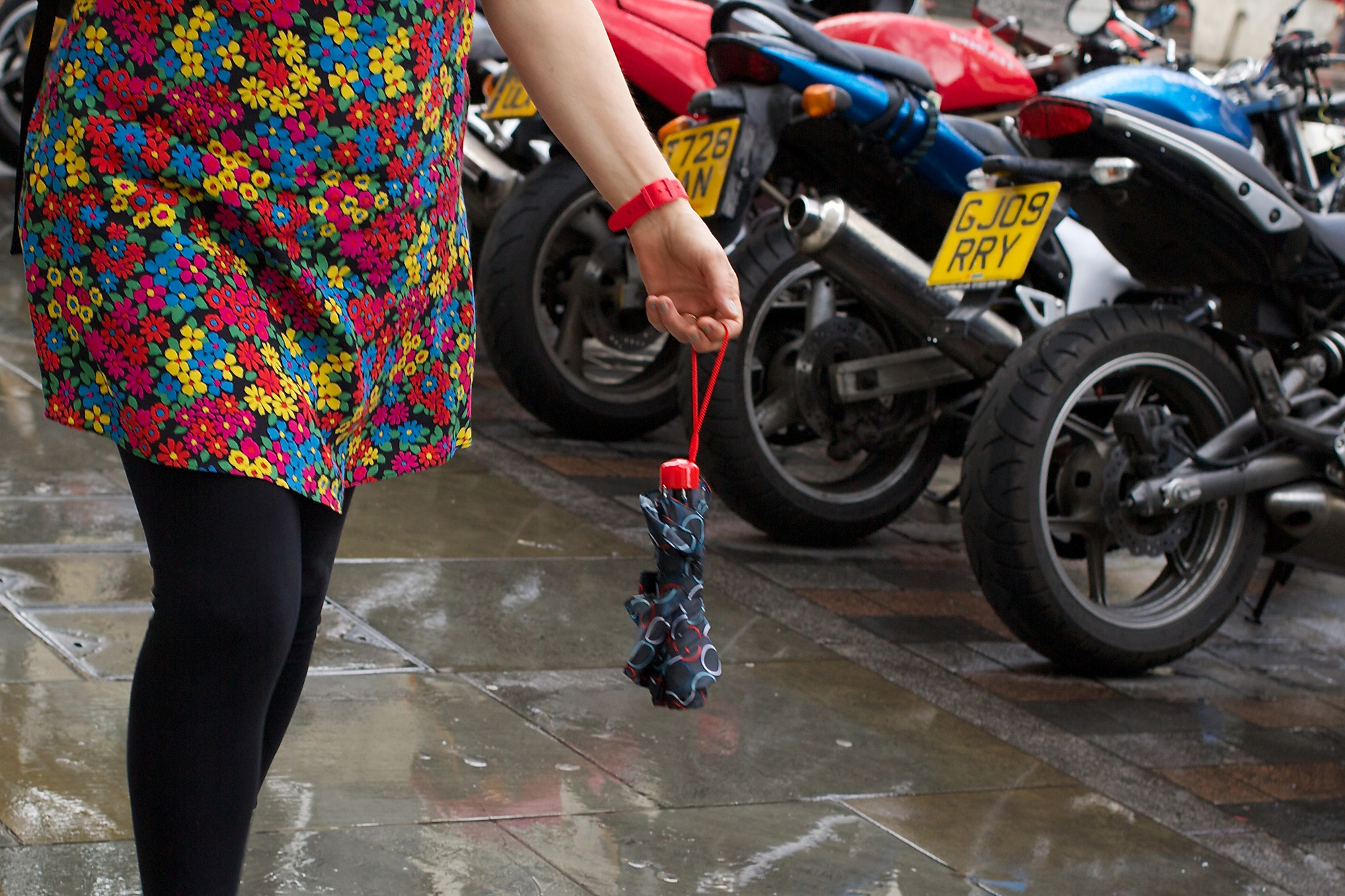
Shortly before the day brightened up and enabled me to take the above image, there was a rainstorm which flooded the streets and attracted my attention to the pavement. A woman in a vivid dress walked towards me, carrying a red-handled umbrella (below). Her dress in primary colours matched the colours of the motorcycles in the background. I picked up focus from the pavement and hoped for the best.

The shutter speed of 1/500th sec. has not quite frozen the swinging umbrella, but at least some of the subject’s hand is in sharp focus. Fortunately, the red wristwatch goes perfectly with the colour scheme. The reflected hues from the rainy pavement create a mood of “the storm is over, there’s a bright day ahead.”

And so it proved. For much of the day I had to cope with sunlight washing out the highlights while condemning everything else to deep shade. It’s not my favourite set of conditions, but I tried to find strategies to cope with them.

Where’s the Drama?
Central to my coping strategy was to focus on figures or objects in sunlight against a dark background. After all, if you can’t beat the conditions you have to join them: try to enjoy the high contrast and seek out dramatic subjects to make use of it.

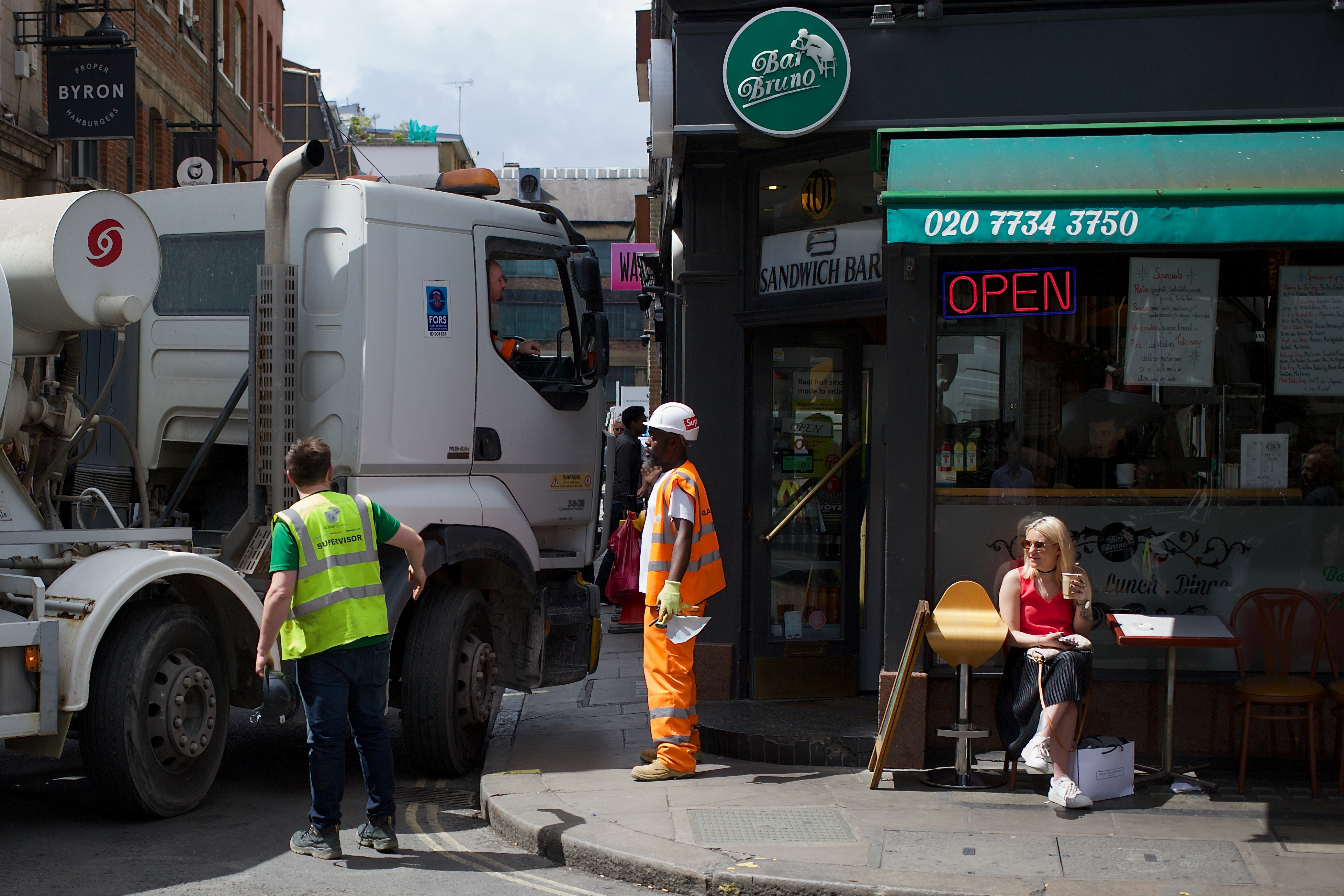
In Soho I headed towards an area where several lorries were delivering liquid concrete (below). If I could play you the soundtrack to this image you’d be amazed. It’s completely at odds with the calm, orderliness of the composition! Two or three men were yelling instructions at the tops of their voices as the driver revved his engine and reversed his truck towards some expensive limousines with only inches to spare.

I took a dozen pictures — “working the scene,” as they say. I’m glad I did because only two of them had decent composition: one of a fashionably dressed passer-by and this one with the woman who seems to be enjoying a quiet cup of coffee despite the cacophony going on around her.

OK, you can argue about its merits, but I think it works because of the central figure: the man in the white helmet. Everything in front of him (to our left) is work, movement and action, whereas everything behind him (our right) is a world of leisure, stillness and relaxation. He stands between these two worlds, dressed in tough, working gear but assuming a calm, unflustered attitude — as if he were a guardian angel to the woman at the table.

Going to Extremes
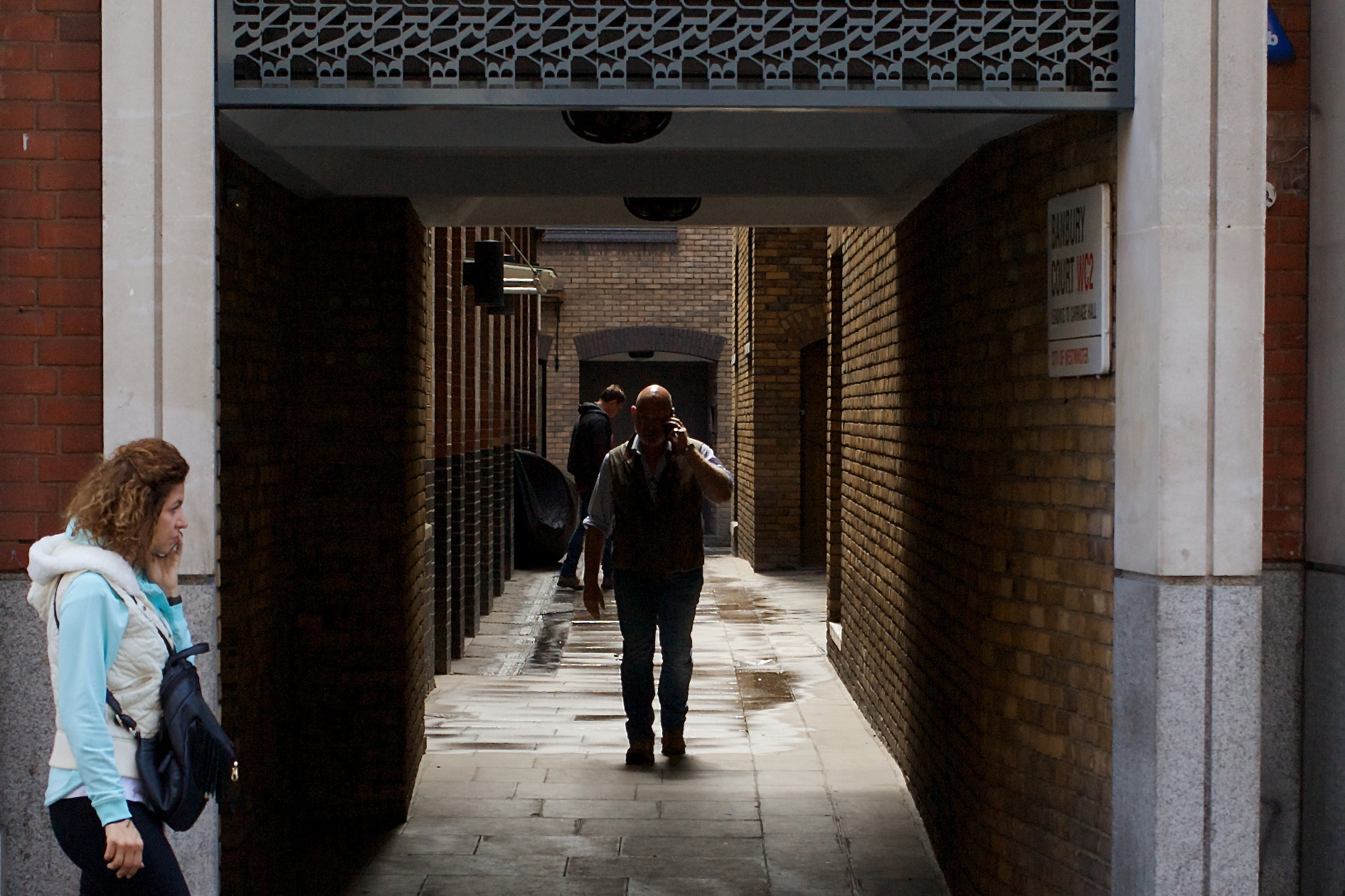
Here’s another example, from earlier in the day (below). I’m know I’m pushing my luck with this one. There’s a woman in the foreground on the extreme left of the image and very little to balance the composition on the right. Yet I insist it works, chiefly because of the strength of the mysterious central figure.

I spotted the man coming towards me from the other side of a busy street. There was no time to lose. I got as close as I dared and took the shot before he moved into the dark passageway.

Now here’s the trick. The woman’s profile is set against the narrow pillar on the left. I delayed the shot a fraction to make sure this would happen. As luck would have it, the angle of view makes the pillar on the right look wider (we’re seeing two sides of it instead of one). As a result, it helps to balance the picture without destroying its disturbing quality.

So there we have four, very different compositions, each with its own feeling and atmosphere. Yet all four pictures have a central core that holds them together. It’s a technique anyone can use. I thoroughly recommend it.

Getting Faces in Big Close-Up, Candidly

Let’s be candid. It’s not easy to take close-up photos of people’s faces when they’re walking towards you in the street. Here are four reasons why that’s so:

1. It’s too rude to shove your camera in a stranger’s face.
2. People will see you taking the shot and react adversely.
3. It’s hard to get focus when a person is approaching you.
4. If you attempt it at a distance you’ll need a telephoto.

Let me take these in turn.

1. It’s too rude to shove your camera in a stranger’s face.
I agree entirely. I’d be cross if someone shoved a camera directly into my face while I’m walking along a public street, wouldn’t you? This really isn’t an acceptable strategy for the street photographer. Apart from being rude, it doesn’t get very good results.

2. People will see you taking the shot and react adversely.
Strangers know when they’re “on camera,” so they look directly into the lens and scowl, or else they look away or take evasive action. Is this the kind of reaction you want to photograph? You can say “yes,” but it’s not candid street photography. The story is no longer about them, it’s about your interference in their lives.

3. It’s hard to get focus when a person is approaching you.
Yes, it’s difficult but not impossible, given the sophisticated focus tracking systems on today’s cameras. However, switching from normal mode to auto-tracking is adding complication to an already complex task. Even an experienced sports photographer, accustomed to auto-tracking, may have a problem trying to implement it on the street.

4. If you attempt it at a distance you’ll need a telephoto.
That’s certainly one option, but there are huge disadvantages to using telephoto lenses in street photography. People will shout “Hey, look, there’s a pap!” and give you a wide berth. (Pap = paparazzo, a freelance photographer who pursues celebrities). It will also stop you from taking shots discreetly, closer to the action.

Most street photographers switch themselves out of “candid mode” and enter what is sometimes called “conversational mode.” This is the tried and tested method of chatting to the subject to ask if they mind having their picture taken. Does it yield great photos? You bet it does! You get interesting faces, perfect framing, sharp focus — the whole works. But it’s not candid.

Once you leave out the candid element in street photography you’ve lost its soul.

So maybe we should simply pack it in, go home, and leave the big facial close-up to the portrait photographer. After all, there are plenty of other compositions to explore. It’s not absolutely essential to include large, candid facial close-ups in your street photography portfolio.

My Solution
Don’t give up too easily! There’s always a way of getting the job done — and I don’t think you need to resort to really sneaky tactics like concealing your camera in a briefcase or under a coat.

I took all the pictures in this blog post by sitting in cafés, enjoying a nice cup of cappuccino in the afternoon. This is frowned upon in Italy where no one drinks cappuccino after lunch. Macchiato yes, marocchino OK, but cappuccino — “stai scherzando!” (You must be kidding!)

The Images
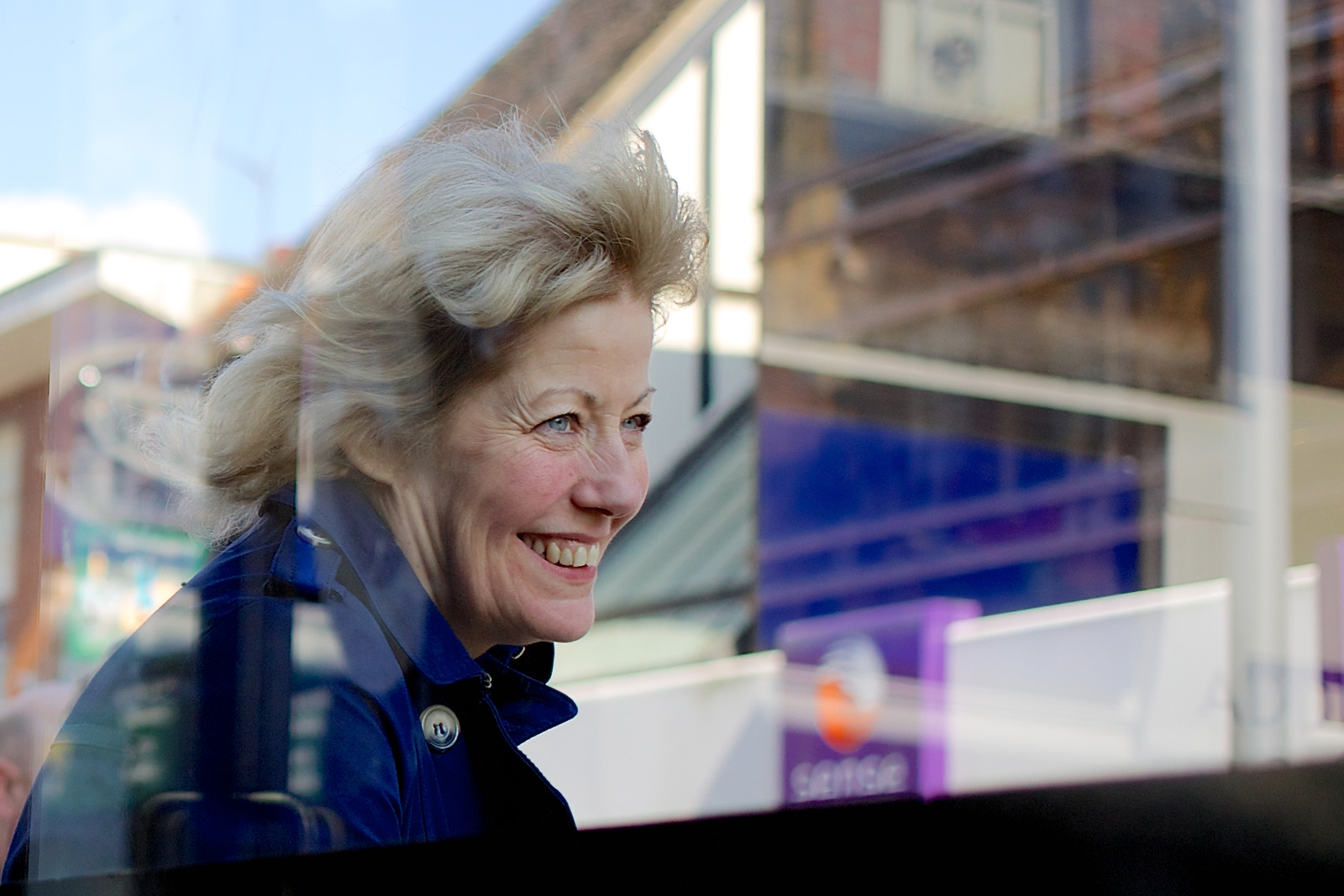
The featured image (above) and the two below make a nice set because I took them all from exactly the same angle, with the same lighting. Looking at them today I keep wondering why I didn’t take more. The light was excellent and I had the ideal position near a corner — one that would probably be occupied by another customer if I returned to the same place.

One snag was the fact that people didn’t often walk close to the window, so I couldn’t get focus consistently. To take these images I had to pre-set the focus and wait for someone to pass at a specific distance from the camera. A second snag was the lack of people in the Suffolk market town I was visiting, not at all like the huddled masses I’m more accustomed to in London.

Nonetheless, I like these images because I so rarely succeed in getting large, candid close-ups of people’s faces. Although they’re not “full frontal” they’re clearly of people walking at speed in front of the camera — without being interrupted by the presence of the photographer.

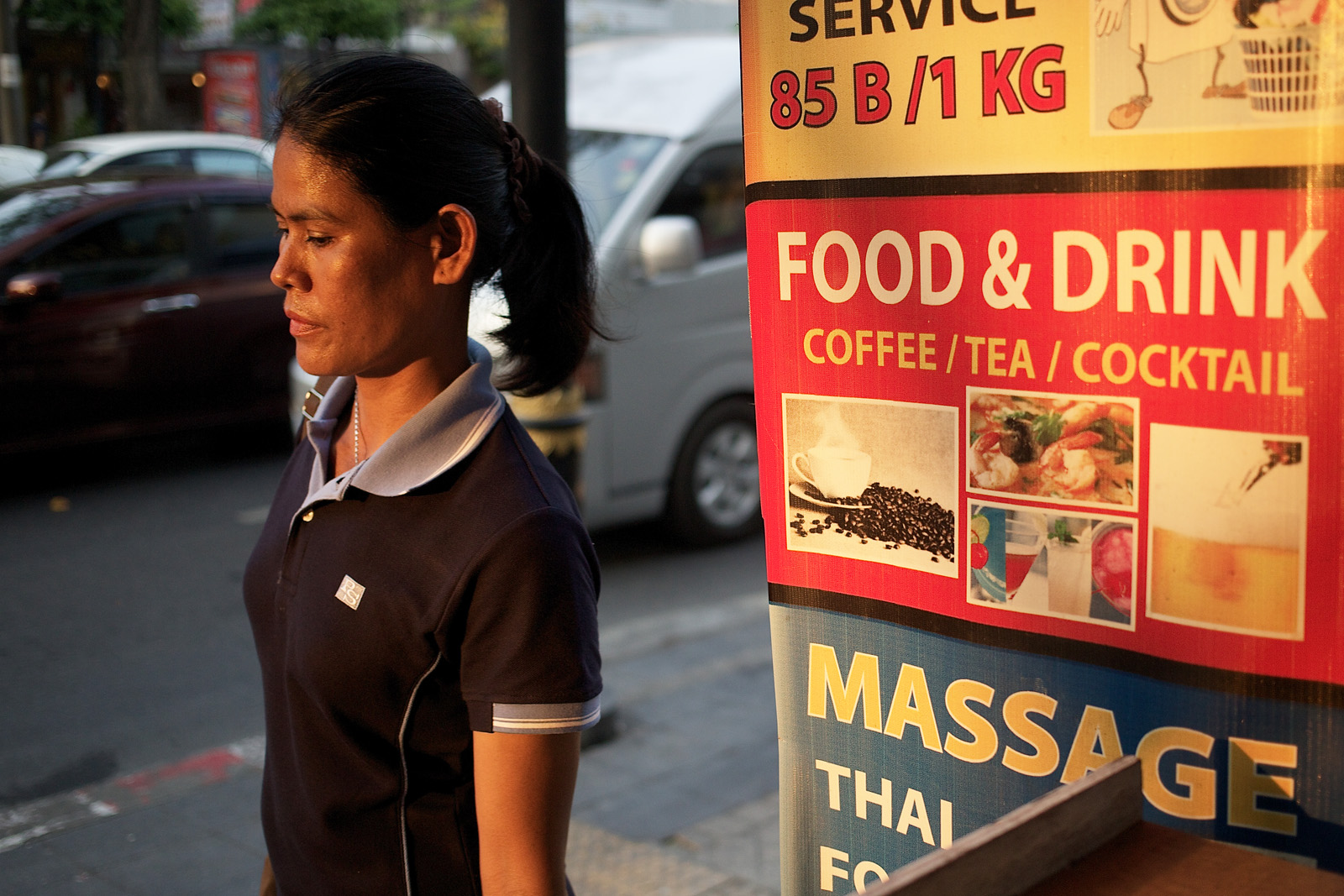
I tried the same technique in Bangkok, where the late afternoon sun illuminated people’s faces with sufficient intensity to allow me to use a fast shutter speed. When you can’t pan the camera you need to have a fast shutter setting to freeze the movement of people walking past.

I’m not as happy with the result as I am with the pictures I took in England. Maybe it was the coffee! The trouble was, I couldn’t get close enough to the passers-by because of the notice board. Lacking glass, the café made me highly visible so the notice board was important, but still…

There are other faults, too. The colour of the setting sun was a bit too intense and the woman is not in tack-sharp focus. (That’s what can happen when you have the aperture wide open.) Yet for all its faults it’s not a bad image. I like the woman’s quiet strength and dignity. When you get a picture that shows human qualities such as these you know it’s worth keeping.

Canals Are Streets Too

As a street photographer I wish there were more canals and fewer streets. Canals are wonderful places for taking pictures but there are not enough of them. Those we have — in Amsterdam, Venice and Bangkok — are overrun by tourists, each one of whom seems to come equipped with an expensive camera.

Given that there is such a lot of competition from both tourists and serious travel photographers, I’m a little surprised that great “street photos” from the canals are not more widely seen. After all, the canal — in a very real sense — is just a street with water instead of tarmac.

In cities where canals criss-cross the urban landscape, people use them in much the same way as dry-landers use the city street. They travel from A to B via the canals; they transport goods on them; and very often they set up shop right there in the middle of the water.

There’s only one major difference. The pace of life on the canals is necessarily a whole lot slower. Five miles an hour is considered fast; twenty miles an hour, while possible, is definitely frowned upon.

Damnoen Saduak
I am fortunate in being able to visit one of the world’s most popular canal systems, near Bangkok, not as a tourist but as a relative by marriage.

My partner’s aunt has a house right on the main canal at Damnoen Saduak, the most famous of Thailand’s floating markets. There, it’s great fun to snuggle under the mosquito net at night, listening to the water lapping beneath the polished teak floor (although maybe less fun to be woken at 5.00am by the deafening racket of long-tail boats revving up their engines).

There are two ways to photograph the action at Damnoen Saduak: from the side of the canal or from a boat. You can get great shots either way, but those from a boat undoubtedly have the edge, especially if you want to get close-up portrait-style shots.

Portraits taken in natural light nearly always require the use of a reflector to balance the light and provide some illumination from below. But that’s only for dry-land photographers! Once you’re on a boat you can dispense with all the accessories because the water itself provides the reflection you need. I think even tourists are beginning to notice that their shots of each other on boats look better than those they take on dry land.

I’ve emphasised the similarity of canals to streets and I’ve suggested that street photography is something you can practice on a canal, but I have to add a word of caution. Don’t expect to do what’s commonly called “hardcore” street photography, either from a boat or from the canal’s edge. The atmosphere is much too relaxed for that. People are happy and smiling; their movements slow and predictable. Their way of life fits them like a glove, without all the hassle and friction normally sought by the hardcore street photographer.

The Garden Centre
For my featured image (at the top) I’ve chosen a lady in a boat who looks as relaxed as it’s possible to look while still actually working. She’s a one-woman garden centre, selling pot plants and refreshments at reasonable prices. I like the way her face is in shade whereas her wares are strongly illuminated by the sun. This seems appropriate, seeing that she’s tucked away quietly at the side, making no apparent effort to give anyone the “hard sell.” I think she needs all the commercial help I can provide.

In the sunlight, on the other side of the canal, another lady (above) is well-stocked with apples and young coconuts, ready to punt her way to a busier part of the market. She seems more extroverted and more likely to suggest a sale than her competition across the way. Both ladies, you can be sure, have been photographed hundreds of times — every week, during the tourist season.

I’ve recognised both of these subjects in other people’s photographs, but not as often as you might expect. They are usually in a group scene, along with all the other vendors.

If you go to Google Images and search for “Damnoen Saduak floating market” you’ll see what I mean. The photos brought back by the search are quite different from mine. With scarcely an exception, they’re all general shots of the crowded market, of dozens of boats laden with colourful goods. None of them really gets behind the gaudy spectacle of the market to the real world of individuals and their personal traits and characteristics.

Up Close
On the canals, the street photographer’s imperative to “get in close” can lead to pictures that are both more meaningful and more beautiful. On the occasion when I took these images I think I was helped by the presence of my elderly Thai father-in-law, riding up front in the boat, smiling at the ladies as we passed. His protection made me less of an alien intruder and more like “one of us.”

My favourite image from this short boat ride is of a younger woman who was selling assorted goods, including shopping bags and…yes…framed insects. She’s leaning on a thick bamboo pile which keeps her boat from moving out of position. I suspect she also has another, more conventional job elsewhere, but as I recall this was a Saturday, a day on which many people — one or two of our friends included — like to earn extra income trading on the canal.

Can you get this sort of image on the street? I don’t think so. Despite being so close to the camera, the woman shows no signs of being aware of it. She’s smiling at our whole party of people, not making direct contact with the camera. Although it’s a candid shot it has many of the qualities we expect in a proper portrait: good light, nice pose, interesting props. Nonetheless, I’m still going to claim it as a street photo. That’s why it’s here. Because canals are streets too.